In the complex landscape of B2B SaaS, a single decision-maker is a relic of the past. Today's enterprise purchases are orchestrated by a buying committee, a diverse group of 6-10 stakeholders, each with unique priorities, concerns, and influence. Marketing efforts that fail to acknowledge and strategically engage this multi-persona reality are destined for inefficiency, stalled pipelines, and lost revenue. The challenge isn't just reaching these individuals; it's understanding their interconnected roles, anticipating their objections, and delivering tailored value propositions that resonate across the entire decision-making unit. This guide provides a framework for orchestrating your marketing to effectively navigate and influence these intricate buying committees.
Deconstructing the B2B Buying Committee
The modern B2B buying committee is a mosaic of roles, often spanning different departments and levels of seniority. Understanding the archetypes within this committee is the first step toward effective orchestration. These typically include the Economic Buyer (CFO, CEO), the User Buyer (end-users, team leads), the Technical Buyer (IT, security), the Champion (internal advocate), and the Influencer (consultants, industry experts). Each persona evaluates solutions through a distinct lens, driven by their functional responsibilities and personal incentives. A unified message, while seemingly efficient, often falls flat because it fails to address these varied perspectives.
Consider the implications: the Economic Buyer prioritizes ROI and strategic alignment, the User Buyer seeks ease of use and productivity gains, and the Technical Buyer focuses on integration, security, and scalability. A marketing campaign that speaks only to the Economic Buyer's financial concerns will miss the critical validation points required by technical and user stakeholders. Conversely, a product-feature-heavy message will alienate the executive who needs to see the bigger picture. Effective marketing to the buying committee requires a nuanced approach that acknowledges and addresses each of these perspectives, not in isolation, but as part of a cohesive narrative.
Persona Sequencing: Guiding the Conversation Flow
Persona sequencing is the strategic order in which you engage different members of the buying committee throughout their journey. It's not about bombarding everyone simultaneously, but rather about building momentum and internal consensus by activating the right personas at the right time. For instance, an initial engagement might target a User Buyer or Champion with content focused on solving a specific operational pain point. Once they recognize the value, they become internal advocates, paving the way for conversations with Technical Buyers about implementation and, eventually, the Economic Buyer about strategic impact and ROI.
This sequential approach ensures that each stakeholder receives information relevant to their stage in the decision process and their specific role. It prevents premature discussions about budget with a technical team member or deep technical dives with a CEO. By understanding the natural flow of internal influence, marketers can design campaigns that feel less like an external sales push and more like an internal problem-solving initiative, facilitated by your solution. This requires a deep understanding of the internal dynamics of your target accounts, often gained through win-loss analysis and sales intelligence.
Content Mapping: Tailoring Value Across the Committee
Once personas are sequenced, the next critical step is content mapping. This involves creating and deploying content assets specifically designed to resonate with each persona at their respective stage of the buying journey. Generic content, while easy to produce, is rarely effective in complex B2B sales. Instead, think about the specific questions each persona asks, the objections they might raise, and the metrics they care about.
For the User Buyer, content might include product demos, how-to guides, and case studies highlighting productivity gains. The Technical Buyer will seek whitepapers on security protocols, integration documentation, and architectural diagrams. The Economic Buyer requires ROI calculators, executive summaries, and competitive analyses that demonstrate strategic advantage. Each piece of content serves a distinct purpose in moving the collective decision forward.
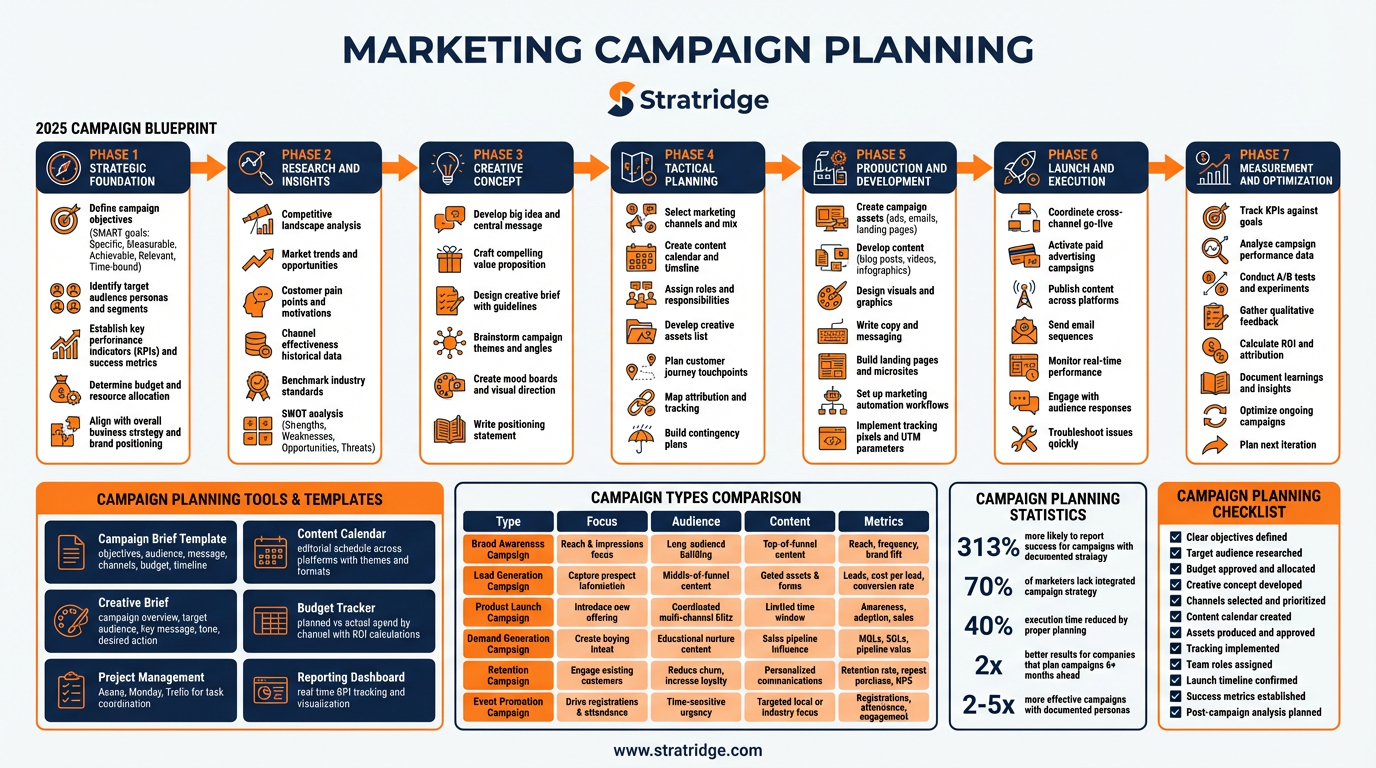
This granular approach to content ensures that every touchpoint delivers maximum relevance. It's about providing the right information, in the right format, to the right person, at the right time. This not only builds credibility but also empowers internal champions with the resources they need to advocate for your solution within their organization. For more on competitive positioning, see Competitive Differentiation When Product is Mostly the Same.
Account-Level Engagement Scoring: Measuring Collective Progress
Traditional lead scoring often focuses on individual engagement, which is insufficient for multi-persona sales. Account-level engagement scoring shifts the focus to the collective activity within a target account. This involves tracking interactions from all identified stakeholders, assigning weighted scores based on their role and the nature of their engagement, and aggregating these scores to provide a holistic view of account readiness.
Key Metrics for Account-Level Engagement Scoring
This approach allows marketing and sales teams to identify accounts where multiple stakeholders are actively engaged, signaling a higher likelihood of progression. It helps prioritize resources, focus sales efforts on the most promising accounts, and identify potential roadblocks early. For example, if the Economic Buyer's engagement score is low despite high user-level activity, it indicates a need for executive-level content or a strategic sales intervention. This intelligence is crucial for optimizing your go-to-market strategy and ensuring alignment between marketing and sales. Understanding how to build effective sales tools can also be found in Build Battle Cards Sales Actually Uses.
Orchestrating the Full Journey: From Awareness to Advocacy
Orchestrating marketing to the buying committee is not a one-time effort but a continuous process that spans the entire customer journey. From initial awareness to post-purchase advocacy, each stage requires a deliberate strategy for engaging the relevant personas. In the Awareness stage, broad, thought-leadership content might attract multiple stakeholders. In Consideration, persona-specific content helps build a business case. During the Decision stage, collaborative content like joint solution workshops or pilot programs can bring the committee together.
Post-purchase, the orchestration continues, focusing on ensuring successful adoption (User Buyer), demonstrating ongoing ROI (Economic Buyer), and identifying opportunities for expansion. This holistic view ensures that marketing's influence extends beyond the initial sale, contributing to long-term customer value and retention. The ability to articulate a clear Anatomy of a Perfect Positioning Brief is foundational to this entire process.
The Stratridge Advantage: Unlocking Committee Insights
Navigating the complexities of the B2B buying committee demands more than intuition; it requires actionable intelligence. Stratridge provides the tools to scan the competitive landscape, understand buyer memory, map out the decision room, watch for emerging signals, and voice your unique value proposition effectively. Our platform helps you defend against competitive threats and brief your sales teams with precision, ensuring visibility into every stakeholder's journey.
By leveraging Stratridge's capabilities, you can move beyond generic marketing to a highly targeted, orchestrated approach that influences every member of the buying committee. Our platform empowers you to understand the intricate dynamics of B2B purchases, enabling you to craft compelling narratives and deliver tailored experiences that accelerate revenue growth and secure market leadership.
Keep reading
How to Build Battle Cards That Sales Actually Uses
Tactical guide to battle cards that field reps open during live deals — not the ones that rot in Drive two weeks after they ship.
The Anatomy of a Perfect Positioning Brief
The one-page positioning brief that survives contact with the board, sales, and product — what goes on the page, what gets cut, and why most briefs fail by section three.
Competitive Differentiation When Your Product Is Mostly the Same
Product parity is the norm in mature categories, not the exception. The teams that win from parity do it on four differentiator types that aren't in the product — and they name which one on purpose.
Positioning Audit
Find out exactly where your positioning is losing buyers.
Run an eight-area diagnostic of your site against your own strategic intent. Stratridge reads your pages, compares them to your positioning goals, and surfaces the specific gaps costing you deals — with a prioritized action plan.
- ✓Eight-lens diagnostic in under two minutes
- ✓Evidence pulled directly from your own site
- ✓Prioritized action plan, not a generic checklist