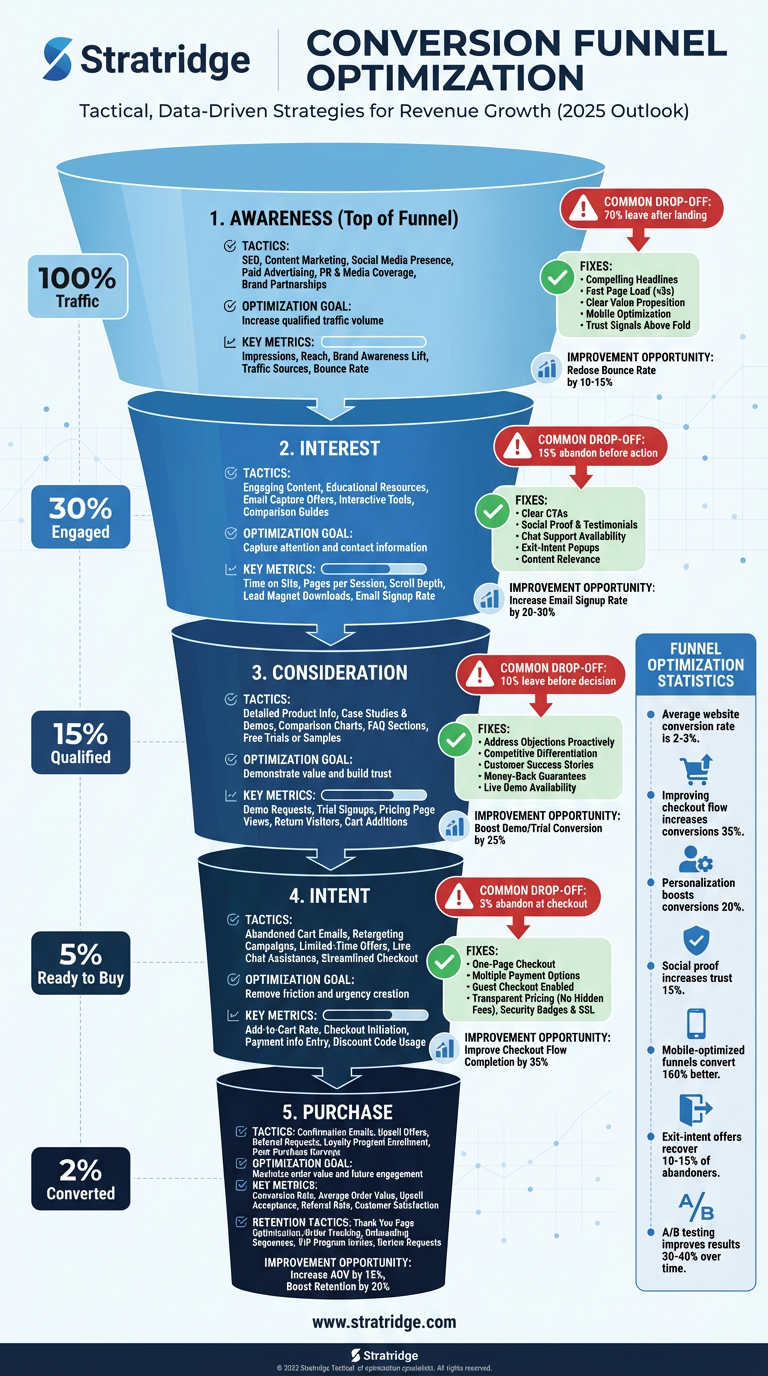
For B2B SaaS companies operating a freemium model, the initial acquisition of free users is only half the battle. The true test of product-led growth lies in the strategic conversion of these engaged free users into loyal, paying customers. This transition is not accidental; it is the result of a meticulously designed and executed playbook that understands user behavior, leverages in-product signals, and, where appropriate, integrates human-assisted sales motions. The challenge is identifying the precise moments and mechanisms that nudge users from perceived value to committed investment, without alienating the very audience you aim to convert.
Understanding the Freemium Conversion Landscape
The freemium model offers a powerful acquisition channel, but its success hinges on a clear understanding of the user journey from free to paid. This journey is rarely linear and is influenced by a multitude of factors, including product utility, perceived value, competitive alternatives, and pricing structure. Effective conversion strategies begin with segmenting free users based on their engagement patterns, feature usage, and demographic data. This segmentation allows for tailored approaches rather than a one-size-fits-all solution that often yields suboptimal results.
Different user cohorts will exhibit varying propensities to convert. For instance, users who actively engage with core features but hit usage limits are prime candidates for upgrade, compared to those who sporadically log in. Analyzing these behavioral patterns provides the data-driven foundation for developing targeted conversion triggers and messaging. This requires robust analytics infrastructure capable of tracking granular user interactions and correlating them with eventual conversion outcomes.
Usage-Based Triggers: Signaling Intent and Value
Usage-based triggers are the most potent signals for identifying conversion-ready users. These triggers are specific actions or thresholds within the product that indicate a user is deriving significant value from the free tier and is likely to benefit from paid features. Common triggers include:
- Feature Limit Reached: Exceeding a project limit, storage limit, or number of collaborators.
- Advanced Feature Engagement: Repeated use of a feature only available in a limited capacity on the free plan.
- Collaboration & Sharing: Frequent sharing of work or inviting team members, indicating team-wide adoption.
- Integration Usage: Connecting the product with other critical business tools.
- Time-Based Milestones: Consistent daily or weekly active usage over a defined period.
Key Usage-Based Conversion Triggers
Once a trigger is identified, the system must respond with timely and relevant in-product messaging. This messaging should highlight the benefits of upgrading, directly addressing the pain point created by the free tier's limitations, and showcasing how the paid plan resolves it. The goal is to make the upgrade path a natural progression, not a forced decision.
In-Product Messaging: Guiding the Upgrade Path
Effective in-product messaging is crucial for translating usage signals into conversions. This is not about aggressive sales tactics, but about intelligent, contextual communication that reinforces value and clarifies the upgrade proposition. Messaging should be:
- Contextual: Delivered precisely when a user encounters a limitation or demonstrates a need for a paid feature.
- Benefit-Oriented: Focus on the outcomes and solutions the paid plan provides, not just a list of features.
- Clear & Concise: Easy to understand, with a clear call-to-action.
- Segmented: Tailored to the specific user segment and their observed behavior.
The most effective in-product messaging doesn't sell; it solves. It anticipates user needs and presents the paid tier as the logical next step in their journey.
Examples include small, non-intrusive banners, tooltips, or modals that appear when a user attempts an action restricted by the free plan. These messages can also offer a temporary trial of a premium feature, allowing users to experience the full value proposition before committing. A/B testing different messaging strategies, calls-to-action, and placement is essential for continuous optimization.
Sales-Assist Models: Human Touch for High-Value Conversions
While product-led growth emphasizes self-service, for B2B SaaS, particularly at higher price points or for complex solutions, a sales-assist model can significantly boost freemium-to-paid conversions. This involves strategically deploying human intervention for specific, high-potential free users. The key is to identify when and how to introduce sales involvement without disrupting the product-led experience.
Sales-assist models are most effective when:
- High-Value User Identified: Users who exhibit strong engagement, fit the ideal customer profile (ICP), and are nearing a critical usage threshold.
- Complex Use Cases: The paid product offers advanced functionalities that benefit from a personalized demonstration or consultation.
- Team Adoption Potential: The free user is part of a larger organization with significant potential for broader adoption and enterprise-level deals.
Sales teams should be equipped with detailed usage data and context for each free user they engage. This allows for highly personalized conversations that focus on specific pain points and demonstrate how the paid solution directly addresses them. The sales role shifts from cold outreach to a consultative approach, guiding an already engaged user towards maximum value. This strategy complements rather than replaces product-led efforts, creating a more robust conversion engine. For more on optimizing pricing, see Pricing Positioning for Usage-Based Models.
Iterative Optimization: The Conversion Playbook in Practice
Developing a successful freemium-to-paid conversion playbook is an iterative process. It requires continuous monitoring, analysis, and refinement. Key metrics to track include:
- Free-to-Paid Conversion Rate: Overall and by segment.
- Feature Adoption Rates: For both free and paid features.
- Churn Rate: For newly converted paid users.
- Average Revenue Per User (ARPU): For different converted segments.
- Time to Convert: From free signup to paid subscription.
Regular A/B testing of different messaging, pricing tiers, and sales-assist interventions is critical. The insights gained from these experiments inform adjustments to the product, marketing, and sales strategies, ensuring the playbook remains dynamic and effective. Understanding the nuances of Win-Loss Analysis for Zero Dollars can also provide valuable insights into why users choose not to convert.
Successfully navigating the freemium-to-paid conversion journey requires a blend of product intuition, data-driven decision-making, and strategic communication. Stratridge provides the frameworks and intelligence to diagnose conversion bottlenecks, identify high-potential segments, and build a robust revenue architecture that transforms free engagement into sustainable growth. Our platform helps you scan your current conversion funnels, identify areas of loss, and launch targeted initiatives to improve visibility into user behavior and ultimately, your bottom line.
Keep reading
Pricing Positioning for Usage-Based Pricing Models
Usage-based pricing communicates value badly by default — the per-unit number looks small, the total bill looks scary, and the buyer feels priced by the vendor rather than by the outcome. The four framing moves that fix each.
Pricing Page Psychology: 9 Tactics to Signal Value (Not Premium)
Pricing pages do two jobs: convert and signal. Most do the first and botch the second. Nine tactics that communicate value without slipping into premium-positioning territory.
Win/Loss Analysis for $0 (Using Free Tools)
A full win/loss program costs six figures. A useful one, using tools you already pay for, costs nothing. Here's the free-tier setup, the weekly cadence, and the specific findings this method actually catches.
Positioning Audit
Find out exactly where your positioning is losing buyers.
Run an eight-area diagnostic of your site against your own strategic intent. Stratridge reads your pages, compares them to your positioning goals, and surfaces the specific gaps costing you deals — with a prioritized action plan.
- ✓Eight-lens diagnostic in under two minutes
- ✓Evidence pulled directly from your own site
- ✓Prioritized action plan, not a generic checklist