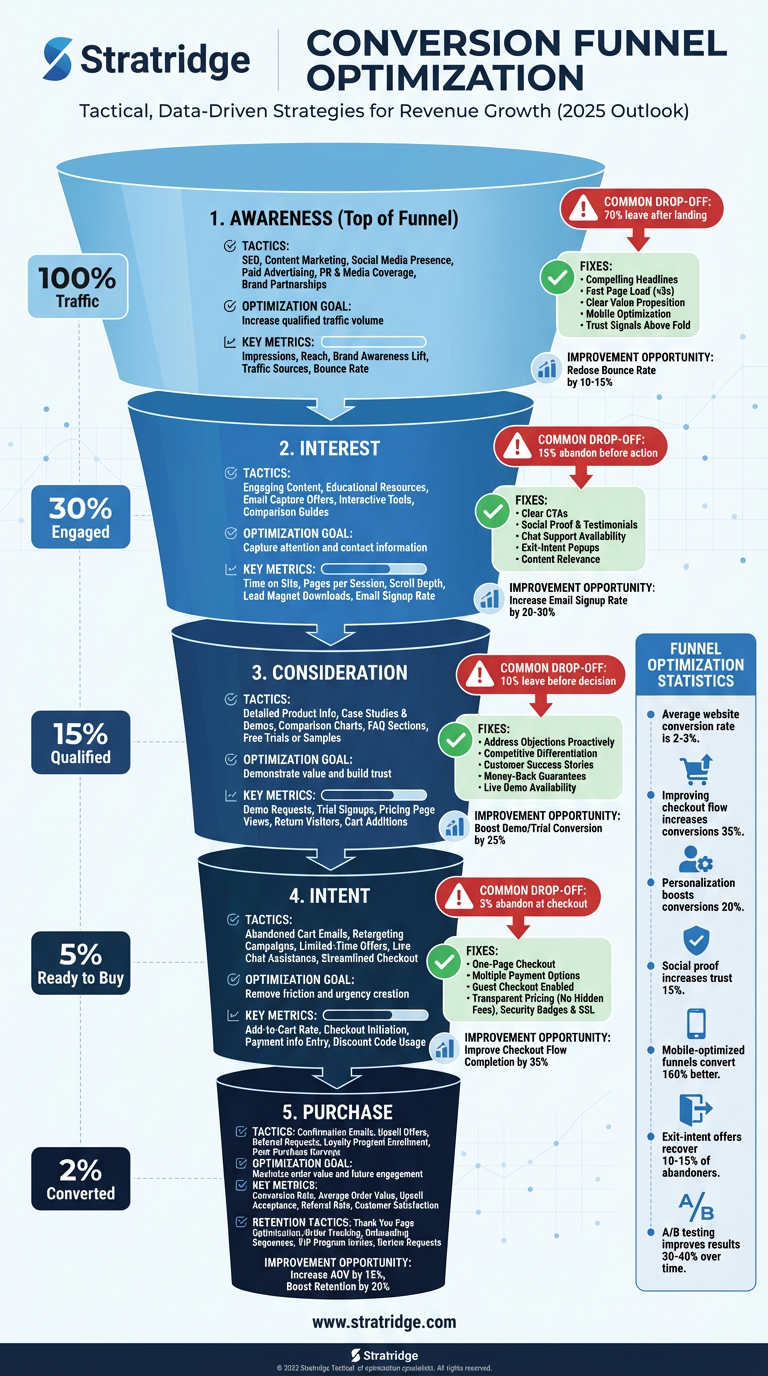
Many B2B SaaS companies invest heavily in high-intent campaigns, driving qualified traffic to landing pages designed to capture leads. Yet, a significant portion of this valuable traffic often evaporates without conversion. The underlying problem isn't always the traffic source or the offer itself, but a fundamental misalignment in the landing page's architecture – failing to address the specific needs, concerns, and decision-making processes of senior B2B buyers. This guide outlines a strategic framework for designing landing pages that resonate with executive audiences, transforming high-intent visits into high-quality opportunities.
The Unique Psychology of the Senior B2B Buyer
Senior B2B buyers – CMOs, VPs, Founders – operate under distinct pressures and motivations. They are time-constrained, risk-averse, and focused on strategic outcomes rather than tactical features. A landing page designed for a junior marketer will likely fail to engage a C-suite executive. Understanding this psychological landscape is the first step in crafting an effective landing page architecture.
Their decision-making process is often less about immediate gratification and more about long-term value, competitive advantage, and mitigating organizational risk. They seek validation, clear pathways to problem resolution, and evidence of peer adoption. Generic calls-to-action or overly technical jargon can be immediate turn-offs, signaling a lack of understanding of their strategic imperatives.
Form Strategy: Balancing Data Capture with Executive Patience
The conversion form is often the most critical, yet most mishandled, element of a B2B landing page. For senior buyers, the perceived value exchange must be exceptionally high to justify the time spent filling out fields. A lengthy, intrusive form can deter even the most interested prospect.
Progressive Profiling and Gated Content
Consider progressive profiling, where initial forms are minimal (e.g., email, company name) and more detailed information is requested at later touchpoints. For high-value assets, a slightly longer form might be acceptable, but the perceived value of the gated content must be commensurate with the effort required.
Optimizing Forms for Senior Buyers
Strategic Social Proof Placement: Building Trust with the C-Suite
Senior buyers are highly influenced by peer validation and credible endorsements. Social proof on a landing page isn't just about logos; it's about strategically showcasing relevance and impact for their specific industry and role. Generic testimonials from unknown companies hold little sway.
Placement matters. Prominently display the most impactful social proof above the fold or near the primary call-to-action. This immediate validation helps overcome initial skepticism and builds confidence in the solution. For more on how effective positioning influences buyer perception, see Anatomy of a Perfect Positioning Brief.
Objection Handling: Proactively Addressing Executive Concerns
Senior buyers approach new solutions with a critical eye, anticipating potential pitfalls. An effective landing page architecture proactively addresses common objections, turning potential roadblocks into opportunities for reassurance. This isn't about hiding weaknesses, but about transparently presenting solutions to anticipated concerns.
Common Executive Objections and Solutions
Address these objections through dedicated sections, FAQs, or subtle messaging woven throughout the page. The goal is to anticipate and neutralize concerns before they become reasons to abandon the page. This proactive approach demonstrates a deep understanding of the buyer's world and builds trust.
Mobile Optimization for the Executive Audience
While desktop remains primary for deep dives, senior executives frequently access information on mobile devices – during travel, between meetings, or for quick reviews. A poorly optimized mobile experience can instantly undermine credibility and lead to abandonment. Mobile optimization for this audience goes beyond responsive design; it's about delivering a streamlined, high-value experience.
Key Mobile Considerations
Ensure that the mobile experience maintains the professional tone and strategic focus of the desktop version. A seamless transition across devices reinforces the perception of a sophisticated, reliable solution. For a deeper dive into how pricing strategies can influence buyer behavior, explore Pricing Page Psychology: Nine Tactics.
Crafting a Compelling Call-to-Action (CTA)
The CTA for senior buyers must be clear, benefit-oriented, and low-risk. Avoid generic phrases like "Learn More." Instead, focus on the tangible outcome or the next logical step in their strategic evaluation process.
"The most effective CTAs for senior B2B buyers don't ask for a commitment; they offer a strategic advantage."
Examples include: "Schedule a Strategic Briefing," "Request a Personalized ROI Analysis," "Download the Executive Playbook." The language should reflect their strategic mindset and offer a clear path to further value, not just another sales pitch. Consider how a comprehensive Positioning Audit for Early Growth & Enterprise Stage can inform your messaging.
Conclusion: Architecting for Executive Conversion
Designing landing pages for high-intent B2B campaigns targeting senior buyers requires a deliberate, strategic approach. It moves beyond aesthetic appeal to focus on psychological resonance, efficient information exchange, and proactive objection handling. By meticulously crafting each element – from form strategy to social proof and mobile optimization – marketers can build landing page architectures that not only capture attention but consistently convert executive interest into tangible business opportunities.
Stratridge provides the intelligence and frameworks necessary to diagnose underperforming landing pages and architect conversion pathways that align with the strategic priorities of senior B2B buyers. Our platform helps you identify messaging gaps, optimize content for executive engagement, and ensure every high-intent campaign delivers maximum impact.
Keep reading
Pricing Page Psychology: 9 Tactics to Signal Value (Not Premium)
Pricing pages do two jobs: convert and signal. Most do the first and botch the second. Nine tactics that communicate value without slipping into premium-positioning territory.
The Anatomy of a Perfect Positioning Brief
The one-page positioning brief that survives contact with the board, sales, and product — what goes on the page, what gets cut, and why most briefs fail by section three.
Positioning Audit for Early-Stage vs. Growth-Stage vs. Enterprise
Positioning advice that works at seed will break at Series B, and what works at Series B will fail at enterprise scale. Three audits, three sets of failure modes, and the specific stage signals that tell you which you're actually running.
Launch Playbook
Ship launches that land a point of view — not just a feature list.
Launch Playbook drafts your announcement copy, FAQ, and battle-card patch from your Strategic Context the moment you're ready to ship. Evidence-based, grounded in your positioning, built to be sent — not just presented.
- ✓Drafts announcement, FAQ, and battle-card patch
- ✓Built on your positioning, not a generic template
- ✓Ready to ship in the time it takes to brief an agency