For B2B SaaS companies, the traditional Marketing Qualified Lead (MQL) has long been the cornerstone of demand generation. Yet, as markets mature and buying committees expand, the MQL model often falls short, leading to misalignment between marketing and sales, inefficient resource allocation, and ultimately, missed revenue targets. The real problem isn't just about generating leads; it's about generating revenue-contributing accounts. This distinction necessitates a strategic re-evaluation: when is it time to switch from a lead-centric MQL approach to an account-centric Marketing Qualified Account (MQA) framework?
The MQL Paradox: Volume Over Value
The MQL model, while effective in its time, prioritizes individual lead attributes and often focuses on volume. A lead fills out a form, downloads an asset, or attends a webinar, triggering a qualification score. If that score crosses a predefined threshold, it becomes an MQL, handed off to sales development for outreach. The inherent challenge lies in the fact that a single MQL, however qualified, rarely represents the full buying intent or budget of a complex B2B organization. The buying process in B2B SaaS is a team sport, involving multiple stakeholders with diverse needs and priorities.
This lead-centric view can create a "volume trap" for marketing teams, incentivizing them to generate as many MQLs as possible, even if many of those leads belong to accounts that are not a strategic fit or are not ready to buy. Sales teams then spend valuable time chasing individual contacts within accounts that may not have the budget, authority, need, or timeline (BANT) to convert. The result is often a high MQL-to-SQL conversion rate that masks a low MQL-to-Closed-Won rate, leading to frustration on both sides of the marketing-sales divide.
Defining the Marketing Qualified Account (MQA)
An MQA shifts the focus from individual contacts to the entire account. It's a strategic framework that qualifies an account based on a holistic assessment of its fit, engagement, and intent. This means evaluating multiple signals across various contacts within a target account, rather than relying on the actions of a single individual. The goal is to identify accounts that demonstrate collective readiness and strategic alignment with your solution.
Key components of an MQA definition typically include:
- Firmographic Fit: Does the account match your Ideal Customer Profile (ICP) based on industry, company size, revenue, technology stack, and geographic location?
- Technographic Fit: Does the account use complementary or competitive technologies that indicate a need for your solution?
- Engagement Level: Is there significant, multi-threaded engagement from multiple contacts within the account across various marketing touchpoints (website visits, content downloads, webinar attendance, email opens, product usage)?
- Intent Signals: Is the account actively researching solutions, visiting competitor websites, or showing signs of a buying cycle (e.g., job postings for roles related to your solution, budget discussions)?
- Propensity to Buy: A predictive score based on historical data, indicating the likelihood of an account converting.
When to Make the Switch: Diagnostic Framework
The decision to transition from MQLs to MQAs is not a one-size-fits-all proposition. It's a strategic choice driven by the maturity of your go-to-market motion, the complexity of your product, and the dynamics of your target market. Here's a diagnostic framework to help B2B SaaS leaders determine if it's time to make the switch:
Is Your Go-to-Market Ready for MQAs?
If you find yourself nodding to several of these points, particularly the challenges around conversion rates and revenue efficiency, an MQA framework is likely a strategic imperative. The shift is less about abandoning leads entirely and more about elevating the unit of qualification to the account level, ensuring that sales efforts are focused on the most promising opportunities.
Building an MQA Framework: Steps to Implementation
Implementing an MQA framework requires a concerted effort across marketing, sales, and operations. It's not merely a change in terminology but a fundamental shift in strategy and process. Here are the key steps:
1. Define Your Ideal Customer Profile (ICP) and Target Accounts
This is the bedrock of any successful MQA strategy. Work with sales to meticulously define your ICP, going beyond basic firmographics to include technographics, behavioral attributes, and strategic priorities. Once your ICP is clear, identify and prioritize your target accounts. This list will guide all subsequent marketing and sales activities.
2. Develop Account-Level Scoring Models
Move beyond individual lead scoring to account-level scoring. This involves aggregating engagement and intent signals from all contacts within an account. Consider factors like:
- Fit Score: How well does the account align with your ICP?
- Engagement Score: The cumulative engagement of all contacts within the account across various channels.
- Intent Score: Signals of active research or buying intent (e.g., third-party intent data, surge in website activity from multiple contacts).
Weights should be determined collaboratively by marketing and sales based on historical conversion data.
3. Align Sales and Marketing Processes
This is perhaps the most critical step. Marketing and sales must agree on the definition of an MQA, the hand-off process, and the subsequent sales plays. Establish clear service level agreements (SLAs) for MQA follow-up. Sales teams need to be equipped with account-level insights, not just individual lead details, to tailor their outreach effectively. Consider joint training sessions and shared dashboards to foster alignment.
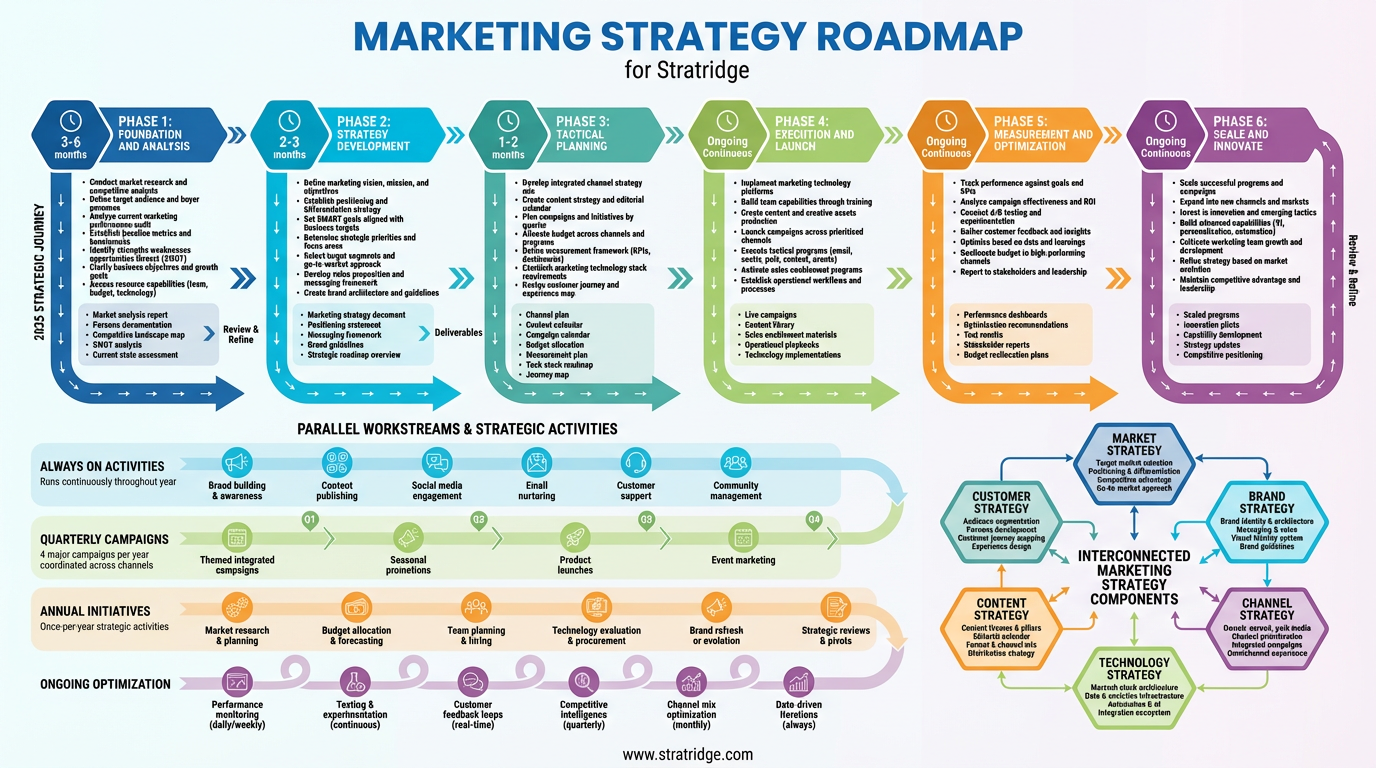
4. Implement Account-Based Marketing (ABM) Tactics
With an MQA framework in place, marketing efforts can become highly targeted. Implement ABM campaigns that deliver personalized experiences to key stakeholders within target accounts. This includes tailored content, customized ad campaigns, and direct mail initiatives designed to deepen engagement and influence buying committees. The goal is to nurture the entire account, not just individual leads.
5. Measure and Iterate
Track key metrics at the account level: MQA-to-Opportunity conversion rates, average deal size for MQAs, sales cycle length for MQAs, and MQA-influenced revenue. Regularly review these metrics with sales to identify areas for improvement. The MQA framework is not static; it requires continuous optimization based on performance data and market feedback. For deeper insights into what drives successful conversions, consider implementing a robust win-loss review template for B2B SaaS.
The Strategic Advantage of MQAs
The transition to MQAs offers several strategic advantages for B2B SaaS companies:
By focusing on Marketing Qualified Accounts, organizations can achieve greater sales and marketing alignment, improve the efficiency of their demand generation efforts, and ultimately drive more predictable and higher-value revenue. It's a move from a transactional view of leads to a strategic, relationship-based approach to account growth. This strategic shift is crucial for positioning audit for early growth and enterprise stage companies looking to scale efficiently.
Stratridge provides the intelligence platform to help B2B SaaS companies navigate these complex shifts in go-to-market strategy. Our tools offer unparalleled visibility into account-level intent, competitive landscapes, and buyer behavior, enabling marketing and sales teams to build robust MQA frameworks that drive predictable revenue growth. Leverage Stratridge to scan for high-potential accounts, gain visibility into their buying signals, and integrate memory of past interactions for a truly account-centric approach.
Keep reading
Win/Loss Review Template for B2B SaaS
A working template for win/loss interviews — the questions, the structure, and the synthesis pass that turns lost deals into institutional learning
Win/Loss Analysis for $0 (Using Free Tools)
A full win/loss program costs six figures. A useful one, using tools you already pay for, costs nothing. Here's the free-tier setup, the weekly cadence, and the specific findings this method actually catches.
Positioning Audit for Early-Stage vs. Growth-Stage vs. Enterprise
Positioning advice that works at seed will break at Series B, and what works at Series B will fail at enterprise scale. Three audits, three sets of failure modes, and the specific stage signals that tell you which you're actually running.
Positioning Audit
Find out exactly where your positioning is losing buyers.
Run an eight-area diagnostic of your site against your own strategic intent. Stratridge reads your pages, compares them to your positioning goals, and surfaces the specific gaps costing you deals — with a prioritized action plan.
- ✓Eight-lens diagnostic in under two minutes
- ✓Evidence pulled directly from your own site
- ✓Prioritized action plan, not a generic checklist