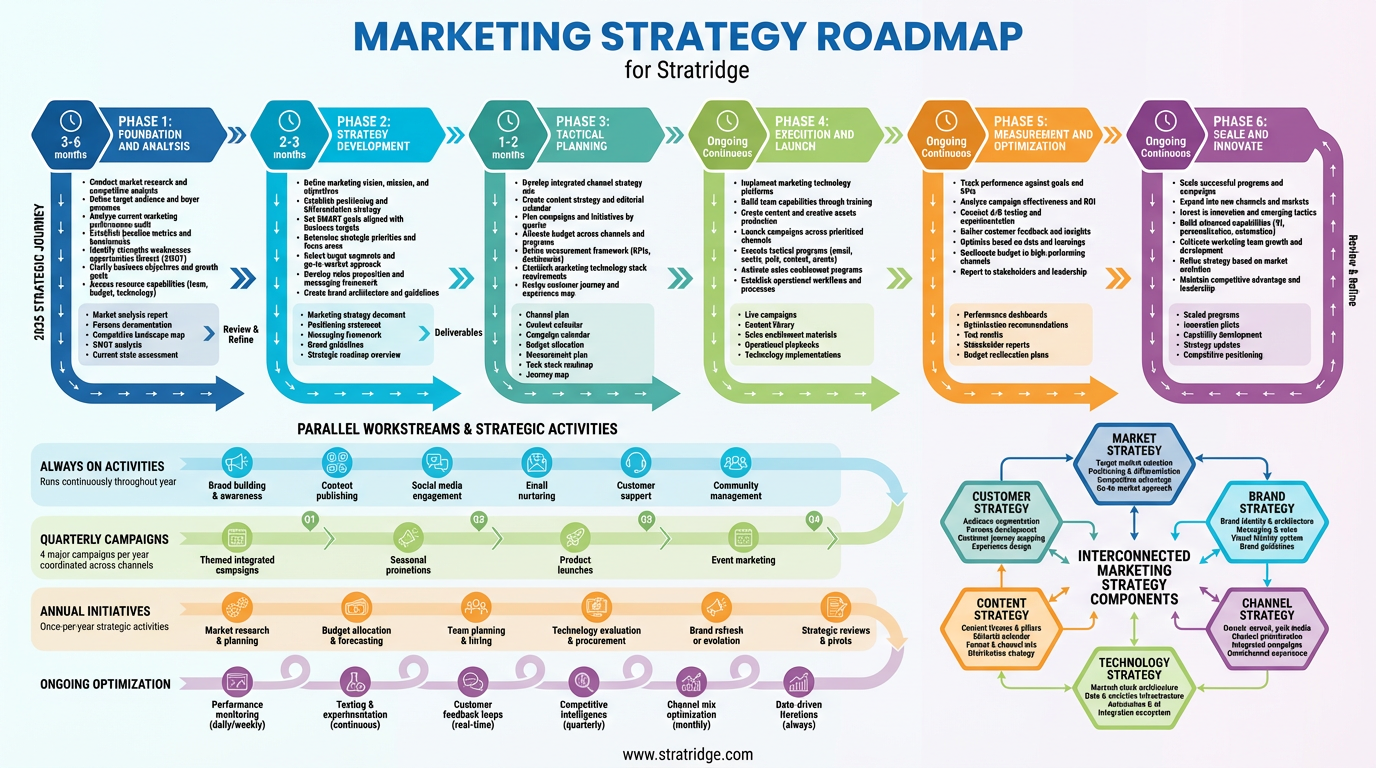
For CMOs, the board deck is more than a reporting exercise; it's a critical opportunity to articulate marketing's strategic value, secure resources, and influence the company's growth trajectory. Yet, many marketing leaders find themselves wrestling with how to distill complex initiatives and nuanced performance into a concise, impactful narrative that resonates with a board focused on financial outcomes and strategic direction. The challenge lies not just in presenting data, but in framing it within a compelling story that connects marketing investment directly to business growth, while omitting the operational minutiae that can obscure the bigger picture.
The 8 Slides That Matter: Crafting Your Core Narrative
Effective board communication hinges on clarity and conciseness. A board deck is not the place for an exhaustive review of every marketing activity. Instead, it's about presenting a strategic overview that highlights impact, challenges, and future direction. The most impactful board decks often coalesce around a core set of slides, each designed to address a specific aspect of marketing's contribution to the business.
Here are the eight essential slides that form the backbone of a compelling CMO board deck:
- Executive Summary & Key Highlights: A high-level overview of marketing's performance against strategic objectives, key wins, and critical challenges. This sets the stage and provides immediate context.
- Market & Competitive Landscape: A concise update on market trends, shifts in customer behavior, and competitive dynamics. This demonstrates an understanding of the external environment and its implications for strategy. Consider leveraging insights from a robust competitive differentiation framework.
- Strategic Marketing Objectives & Progress: Outline the 2-3 primary marketing objectives for the period and progress against them. Link these directly to company-level goals.
- Growth Levers & Performance: Detail the key marketing initiatives driving growth (e.g., demand generation, brand building, product marketing) and their measurable impact. This is where you connect activities to revenue.
- Customer Acquisition & Retention Metrics: Present the most critical metrics related to customer acquisition cost (CAC), customer lifetime value (CLTV), and retention rates. Focus on trends and implications.
- Marketing Investment & ROI: A clear breakdown of marketing spend and its return on investment. Frame marketing as an investment in future growth, not just an expense. This often requires a sophisticated understanding of marketing ROI metrics.
- Challenges, Learnings & Adjustments: Transparently address any significant challenges encountered, the lessons learned, and the strategic adjustments being made. This builds credibility and demonstrates proactive management.
- Future Outlook & Asks: Outline the strategic priorities for the next period, anticipated outcomes, and any specific requests or decisions needed from the board (e.g., budget approval for a new initiative).
Metrics That Build Credibility: Beyond Vanity
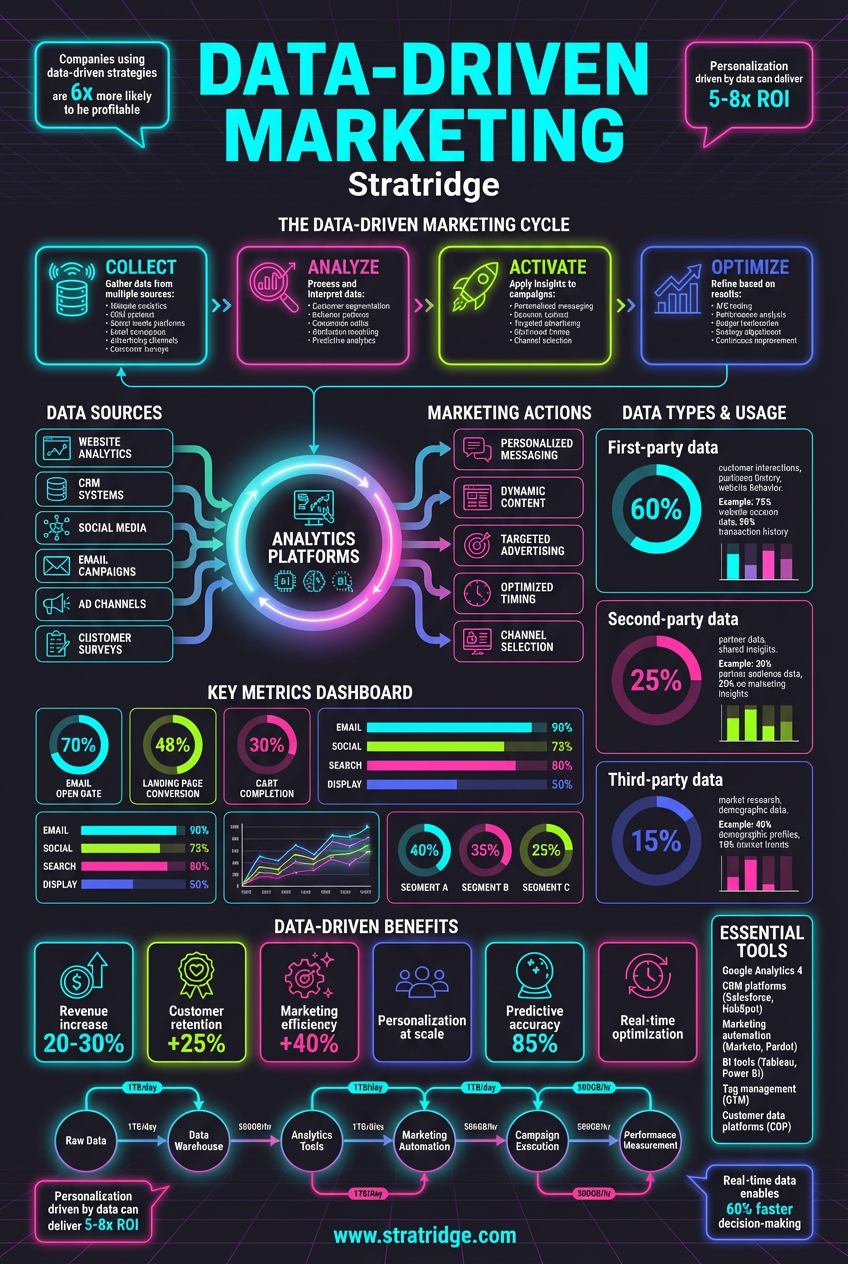
Boards are inherently data-driven. Presenting the right metrics, framed correctly, is paramount to building credibility and demonstrating marketing's tangible impact. Avoid a deluge of data; instead, curate a selection of metrics that directly correlate with business outcomes and strategic objectives.
Focus on metrics that:
- Connect to Revenue: Show how marketing activities directly contribute to pipeline, bookings, and revenue. Examples include Marketing Sourced Revenue, Marketing Influenced Revenue, and Customer Lifetime Value (CLTV).
- Demonstrate Efficiency: Illustrate the efficiency of your marketing spend. Customer Acquisition Cost (CAC), Payback Period, and Marketing Spend as a % of Revenue are key.
- Indicate Market Position: Metrics like market share, brand awareness (if tied to revenue), and competitive win rates can provide valuable context.
- Reflect Customer Health: While primarily a customer success metric, marketing's influence on customer satisfaction (CSAT) and Net Promoter Score (NPS) can be relevant, especially for retention strategies.
Credibility-Building Metrics Checklist
When presenting these metrics, always provide context. What are the trends? How do they compare to benchmarks or previous periods? What are the implications for the business? This analytical layer transforms raw data into actionable insights.
Framing Marketing Investment as a Growth Lever
One of the most common pitfalls for CMOs is presenting marketing budget as an expense rather than an investment. To shift this perception, you must proactively frame marketing spend as a strategic growth lever, directly tied to future revenue generation and market expansion.
"The board isn't asking 'what did you spend?', they're asking 'what did that spend enable, and what will it enable next?'"
Consider these approaches:
1. The Investment Thesis
Every significant marketing investment should be accompanied by an investment thesis. This outlines the expected return, the strategic rationale, and the key performance indicators (KPIs) that will measure success. For example, an investment in a new demand generation channel isn't just a cost; it's an investment with a projected ROI based on anticipated lead volume, conversion rates, and average deal size.
2. Scenario Planning
Presenting different investment scenarios can illustrate the potential upside (and downside) of various funding levels. Show the board what an additional X investment could yield in terms of pipeline or revenue, and conversely, what a reduction might cost. This moves the conversation from cost-cutting to opportunity cost.
3. Long-Term Value Creation
Highlight how marketing investments contribute to long-term value creation, such as brand equity, customer loyalty, and market leadership. While harder to quantify directly in the short term, these are critical for sustainable growth. Discuss how brand building, for instance, reduces future CAC and increases pricing power.
By adopting this investment-centric language and providing clear projections and accountability, CMOs can elevate the conversation around marketing spend and position it as a vital engine for the company's strategic objectives. This approach aligns closely with the principles of strategic context in executive communication.
What to Omit: Avoiding the Noise
Just as important as what you present is what you choose to omit. The board's time is limited, and their focus is strategic. Including too much detail can dilute your message and distract from the critical insights.
1. Operational Deep Dives
Avoid detailed breakdowns of campaign execution, creative reviews, or specific channel tactics. The board trusts you to manage these operational aspects. If a specific operational detail has strategic implications (e.g., a major platform shift impacting budget), then elevate it to a strategic discussion point.
2. Raw Data Dumps
Resist the urge to include every chart and data point from your internal dashboards. Curate the data, visualize it clearly, and provide concise interpretations. The board needs the story the data tells, not the raw data itself.
3. Uncontextualized Metrics
Never present a metric without context. A number alone is meaningless. Always explain what the number means, why it's important, and what action or insight it drives. For example, don't just state "CAC is $500"; explain "CAC increased by 10% due to rising ad costs, prompting a strategic shift to organic channels."
4. Internal Jargon
Speak in plain business language. Avoid marketing-specific acronyms or jargon that might not be universally understood by board members from diverse backgrounds. Your goal is to communicate clearly, not to demonstrate your mastery of marketing terminology.
By meticulously curating your content and focusing on strategic relevance, you ensure that your board deck is a powerful tool for communication and influence, rather than a mere report. This discipline in communication is a hallmark of effective executive leadership, especially when navigating critical moments like a launch pre-mortem.
The CMO's Role in Boardroom Influence
The board deck is a reflection of the CMO's strategic leadership. It's an opportunity to not only report on marketing performance but to shape the narrative around marketing's role in the organization's success. By presenting a clear, concise, and strategically aligned overview, CMOs can effectively advocate for their vision, secure necessary resources, and solidify their position as a key growth driver.
This template provides a framework, but the true power lies in your ability to synthesize complex information into a compelling story that resonates with the board's priorities. It's about demonstrating command of your domain, strategic foresight, and a clear path to delivering measurable business impact.
Stratridge empowers marketing leaders to build these compelling narratives by providing the positioning and go-to-market intelligence needed to confidently articulate market opportunities, competitive advantages, and the strategic impact of marketing initiatives. Our platform helps you move beyond reporting activities to demonstrating quantifiable value, ensuring your board communications are always strategic, credible, and influential.
Keep reading
Executive Briefing: Positioning for the Board Deck
How to explain positioning to a board — the four slides that matter, the metrics to pair with each, and the reason most positioning slides get skipped in the read-ahead.
Strategic Context: Why Most Strategy Docs Become Graveyards
Strategy work fails to compound because the artifact isn't where the work lives. The shape of strategic context that actually survives — and the three practices that keep it alive.
The Launch Pre-Mortem: Avoiding Positioning Mistakes Before They Happen
A 45-minute meeting held three weeks before launch that catches the positioning mistakes that would otherwise only be visible in the sales-call transcripts two months later — the seven questions, and why only one person can lead it.
Positioning Brief
One page that keeps your whole team telling the same story.
The Positioning Brief is a living, one-page document the Analyst re-writes as your pillars, signals, and decisions change. Short enough for the board to read in four minutes, specific enough for a new hire to use on day one.
- ✓One page — readable by the board in four minutes
- ✓Re-writes itself as your market and strategy evolve
- ✓Bridges the gap between strategy and execution