Many B2B SaaS founders pour years into building innovative products, solving critical customer problems, and achieving impressive growth metrics. Yet, when it comes time for an exit—whether through acquisition or IPO—they often find their valuation capped, failing to realize the premium they believe their pioneering work deserves. The core problem isn't just about product-market fit or revenue scale; it's about whether they've successfully created and owned a distinct market category, transforming their company from a mere competitor into an essential, irreplaceable solution. Strategic buyers and public markets pay premiums not just for strong companies, but for companies that define the future of a market.
The Category Creation Premium: Beyond Product-Market Fit
In the B2B SaaS landscape, achieving product-market fit is table stakes. True differentiation, and the valuations that follow, stem from category creation. A category creator doesn't just build a better mousetrap; they invent a new way to catch mice, fundamentally reshaping buyer expectations and market dynamics. This isn't a marketing tactic; it's a strategic imperative that redefines competitive advantage and, crucially, exit economics.
When a company successfully creates and dominates a category, it establishes a unique position that insulates it from direct competition and commands higher multiples. Strategic acquirers are not just buying revenue streams or customer lists; they are buying market leadership, future growth potential, and the ability to set the agenda for an entire segment. This translates directly into higher acquisition prices and more favorable IPO terms.
This premium isn't arbitrary. It reflects the reduced risk, accelerated market adoption, and long-term defensibility that category ownership provides. Buyers understand that acquiring a category creator means acquiring the keys to a new market, rather than merely gaining a larger slice of an existing, often commoditized, pie.
Building Category Assets That Accrue to Enterprise Value
Category creation is not a passive outcome; it's an active, deliberate strategy that involves building specific assets that contribute directly to enterprise value. These assets extend far beyond intellectual property or customer contracts. They are the foundational elements that solidify your company's position as the definitive solution in a new market.
1. The Category Narrative: Your Market's Operating System
At the heart of category creation is a compelling category narrative. This isn't just your company's story; it's the story of the market itself, explaining the old way, the new problem, and the new way (your solution) that solves it. A powerful narrative educates the market, establishes new buying criteria, and positions your company as the obvious leader. It becomes the operating system through which buyers understand their problems and evaluate solutions.
This narrative must be consistent across all touchpoints—from sales pitches and marketing collateral to product messaging and investor decks. It's the framework that helps strategic buyers understand the scale of the opportunity they are acquiring.
2. Market Education & Thought Leadership: Shaping Demand
Category creators invest heavily in market education and thought leadership. This involves publishing research, hosting events, engaging with industry analysts, and developing content that articulates the new problem and solution space. This isn't just about lead generation; it's about actively shaping demand for the new category itself. When you educate the market, you become synonymous with the solution.
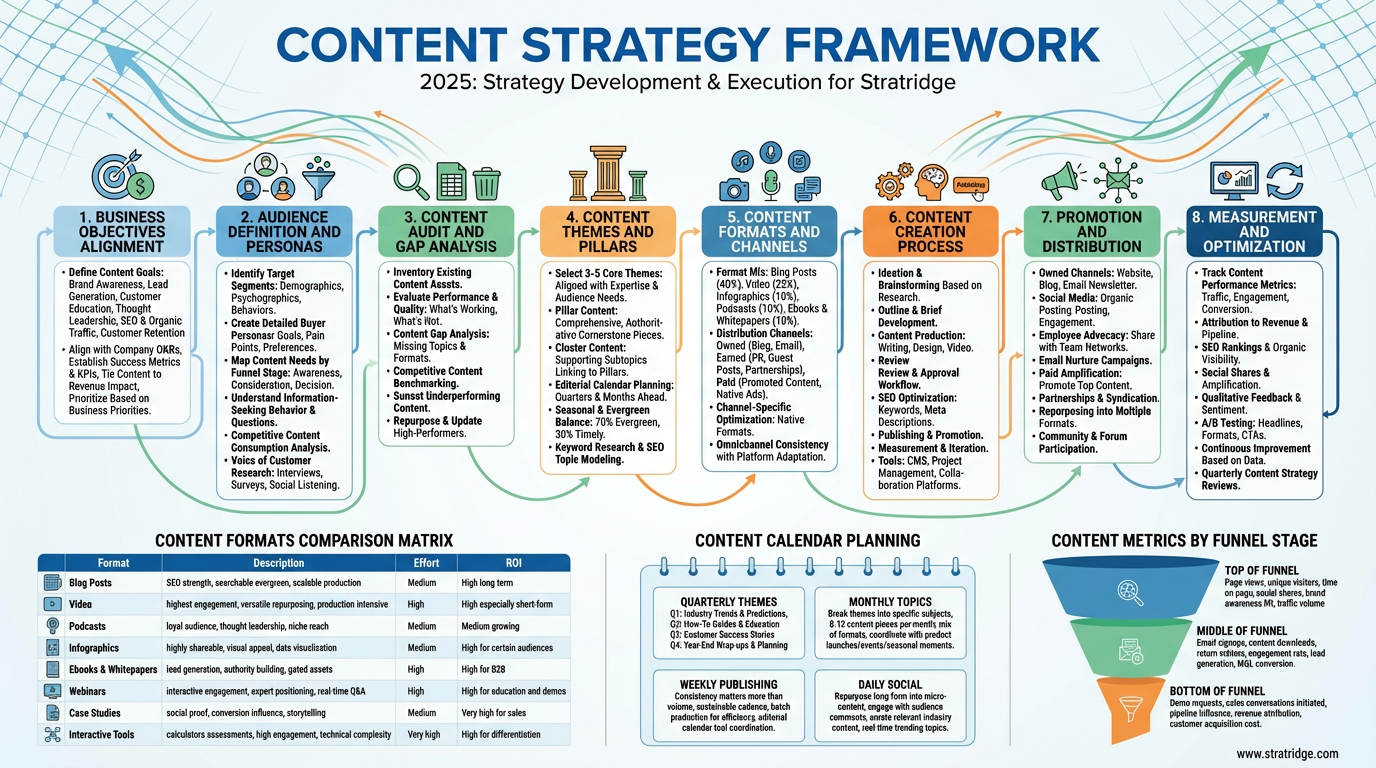
This sustained effort builds credibility and authority, making your company the go-to source for understanding and solving the newly defined problem. For an acquirer, this means inheriting a market that has already been primed and educated, significantly reducing their go-to-market risk and accelerating their path to revenue within the new category.
3. Community & Ecosystem Development: Network Effects as Moats
Category leaders often foster vibrant communities and ecosystems around their solutions. This can include developer communities, user groups, partner networks, and industry alliances. These ecosystems create powerful network effects, making the category more robust and your company's position more entrenched. The more people who adopt your category's paradigm, the harder it is for alternatives to gain traction.
For strategic buyers, acquiring a company with a thriving ecosystem means gaining access to a loyal customer base, a ready-made talent pool, and a network of advocates who champion the category. This significantly enhances the long-term value and defensibility of the acquisition.
4. Standard Setting & Benchmarking: Defining Success
As a category creator, you have the unique opportunity to set the standards and benchmarks for success within that category. This involves defining key metrics, best practices, and even certifications that become the industry norm. By doing so, you position your product as the gold standard against which all others are measured.
This formula illustrates the qualitative and quantitative factors that contribute to the premium valuation of a category creator.
This control over the category's definition makes it incredibly difficult for competitors to enter or gain legitimacy without aligning with your established framework. An acquirer benefits from inheriting this definitional power, allowing them to dictate the terms of engagement within the new market.
Strategic Implications for M&A and IPO Multiples
The impact of category creation on exit economics is profound. It shifts the conversation from a commodity valuation based on revenue multiples to a strategic valuation based on future market potential and defensibility.
M&A: The "Must-Have" Acquisition
For strategic buyers, a category creator isn't just another acquisition target; it's a "must-have" acquisition. These buyers are looking to secure their future growth, enter new markets, or neutralize emerging threats. Acquiring the company that owns a new category offers a direct path to these objectives, often justifying a significant premium over traditional valuations.
They recognize that trying to build a competing solution or narrative from scratch is far more costly, time-consuming, and risky than acquiring the established leader. This urgency and strategic imperative drive up the bidding, resulting in higher multiples and more favorable deal terms for the category creator.
IPO: Defining a New Public Market Segment
For companies pursuing an IPO, category creation can be equally transformative. Instead of being valued as a player in a crowded, mature market, a category creator can define a new public market segment. This allows investors to view the company through a different lens, focusing on the vast, untapped potential of the new category rather than the incremental growth of an existing one.
This narrative of pioneering a new market can attract a different class of investors—those seeking disruptive growth and long-term market leadership. The result is often higher IPO valuations, greater investor interest, and a more robust stock performance post-listing. The ability to articulate a clear, defensible category vision is paramount in securing investor confidence.
The Founder's Playbook: Orchestrating for Exit Value
Founders aiming for a premium exit must integrate category creation into their core strategy from day one. This isn't a marketing afterthought; it's a fundamental approach to building a business that commands outsized value.
Founder's Category Creation Checklist for Exit Value
This proactive approach ensures that every aspect of your business—from product development to sales strategy—contributes to solidifying your category ownership. It's about building a company that isn't just successful, but essential to the future of its market.
Conclusion: The Ultimate Exit Strategy
For B2B SaaS founders, understanding and executing a category creation strategy is perhaps the most powerful lever for maximizing exit value. It transforms a company from a valuable asset into an indispensable one, capable of commanding premium valuations in both M&A and IPO scenarios. By focusing on building a compelling category narrative, educating the market, fostering an ecosystem, and setting industry standards, founders can engineer an exit that reflects the true disruptive potential of their innovation.
Stratridge empowers B2B SaaS leaders to master their positioning and go-to-market strategy, ensuring their category creation efforts translate directly into enhanced enterprise value. Our frameworks and diagnostics help you articulate your unique market position, build defensible category assets, and communicate your vision to strategic buyers and investors. Learn how to craft a winning positioning brief or conduct a thorough positioning audit to set the stage for your premium exit.
Keep reading
The Positioning Pivot: When to Change Your Category Entirely
Most positioning problems can be solved with a refresh. A small minority require a pivot — changing the category itself. Here's the five signals that tell you which you're facing, and the 12-month execution plan when pivot is the answer.
The Positioning Audit That Saved a $200M Exit (Case Study)
Ten weeks before a scheduled exit, a positioning audit surfaced a Layer 4 gap that the acquirer's diligence would have exposed. Here's what the audit found, what the remediation looked like under time pressure, and what the exit math actually looked like.
Executive Communication: Explaining a Positioning Pivot to the Board
A template and three-act memo structure for telling your board the positioning is changing — without it landing as a failure narrative
Positioning Audit
Find out exactly where your positioning is losing buyers.
Run an eight-area diagnostic of your site against your own strategic intent. Stratridge reads your pages, compares them to your positioning goals, and surfaces the specific gaps costing you deals — with a prioritized action plan.
- ✓Eight-lens diagnostic in under two minutes
- ✓Evidence pulled directly from your own site
- ✓Prioritized action plan, not a generic checklist