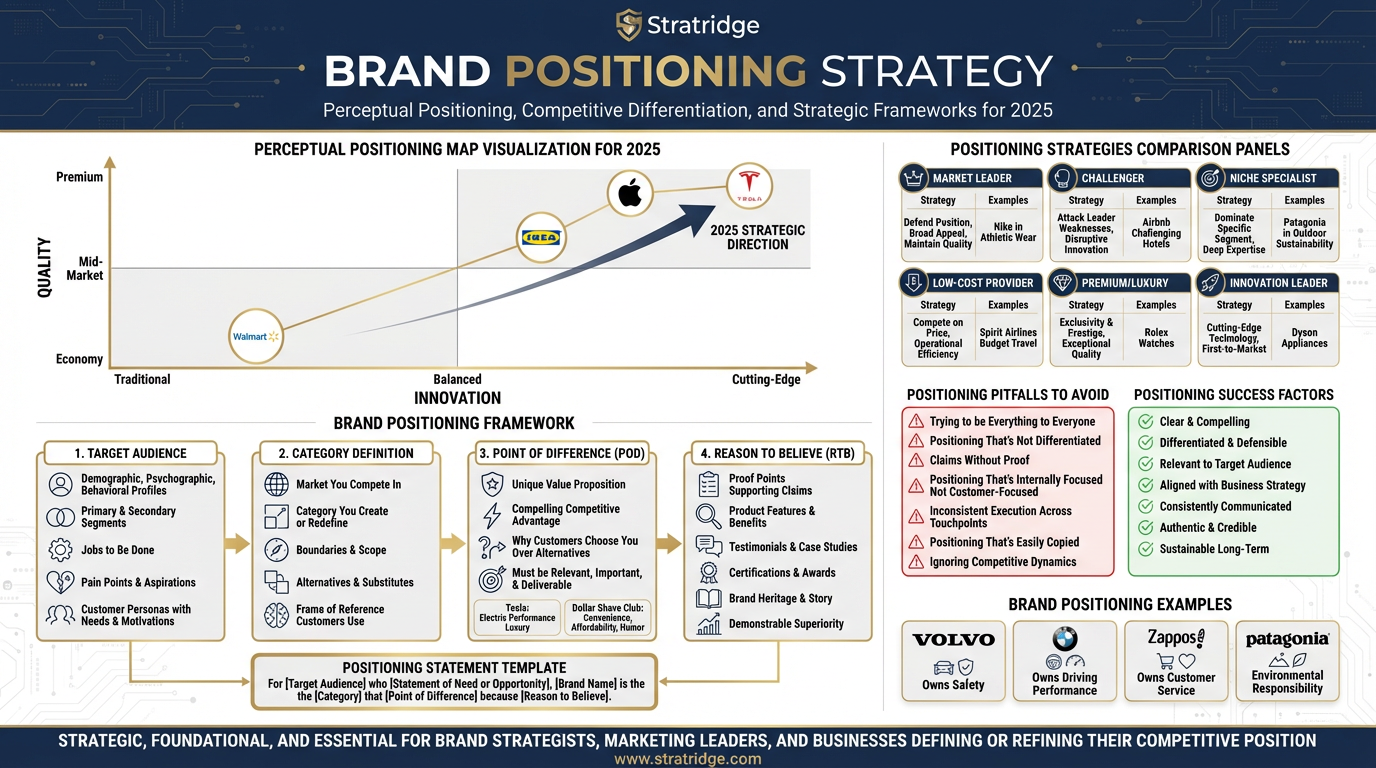
The landscape of B2B SaaS discovery has fundamentally shifted. For decades, search engine optimization (SEO) was a game of keywords, backlinks, and page rank. Today, AI search engines are not merely indexing information; they are synthesizing answers, curating recommendations, and, in doing so, actively defining categories. This profound change means that the battle for market leadership is no longer just about being found, but about being the definitive answer in the AI's understanding of a category. The first mover to establish this categorical frame within AI's cognitive architecture gains an almost insurmountable advantage, shaping perceptions and recommendations long before competitors can react.
The Algorithmic Reinforcement of Category Leaders
AI search engines, powered by large language models (LLMs), learn from vast datasets to understand concepts, relationships, and authority. When a user queries a problem or a need, the AI doesn't just return a list of links; it attempts to provide a direct, authoritative answer, often citing what it perceives as the most relevant and established solutions. This creates a powerful feedback loop: the more an entity is cited as the solution for a particular problem, the more authoritative it becomes in the AI's model, further reinforcing its position as the category leader. This isn't about traditional brand recognition; it's about algorithmic recognition of categorical fit and dominance.
This phenomenon means that companies that successfully define and occupy a category in the AI's understanding will see their solutions consistently recommended, often without the user ever navigating to a search results page. Conversely, those who fail to establish this foundational category definition risk being relegated to secondary mentions or, worse, entirely overlooked. The stakes are higher than ever, as AI-driven recommendations can bypass traditional marketing funnels, making the initial framing of a category a critical strategic imperative.
Why Category Design is Now an AI-First Strategy
Category design, traditionally focused on creating new market spaces and establishing a unique narrative, must now explicitly incorporate an AI-first perspective. It's no longer sufficient to simply declare a new category; you must actively engineer how AI engines perceive and articulate that category. This involves a deliberate strategy to seed the AI's knowledge base with your desired categorical definition, ensuring that when the AI synthesizes information, your brand is inextricably linked to the problem it solves and the solution it provides. This requires a deep understanding of how LLMs process information, identify authority, and construct narratives.
The future of B2B market leadership is being written in the algorithms of AI search. Define your category there, or be defined by your competitors.
This strategic shift demands a proactive approach to content, partnerships, and even product nomenclature. Every touchpoint becomes an opportunity to reinforce your categorical claim in a way that is digestible and authoritative for AI systems. The goal is to become the canonical answer for your category, making it difficult for AI to recommend alternatives without first acknowledging your foundational role.
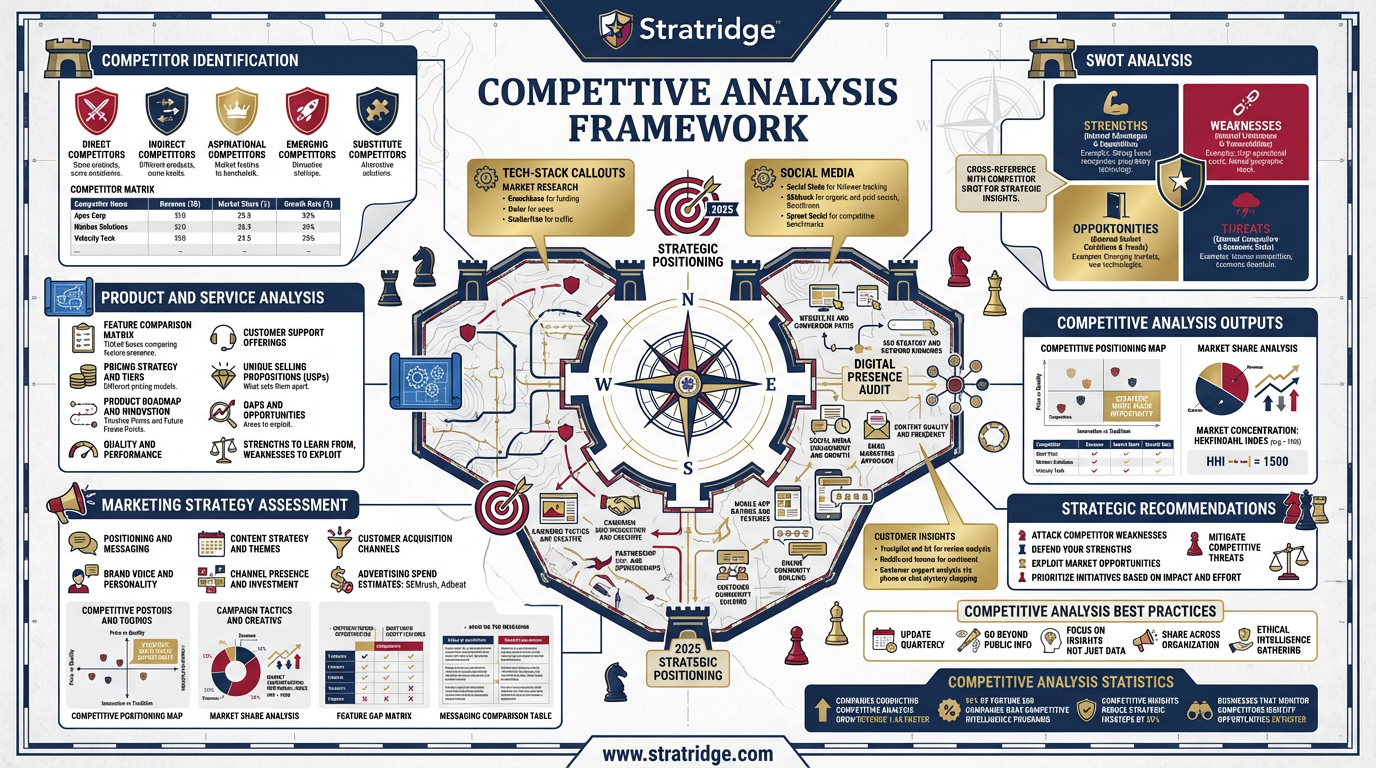
Capturing AI-Generated Recommendations: A Multi-Pronged Approach
To capture AI-generated recommendations, B2B SaaS companies need a coordinated strategy that goes beyond traditional SEO. This involves a blend of content engineering, strategic partnerships, and continuous monitoring.
This approach recognizes that AI doesn't just read; it learns. Therefore, your strategy must be designed to teach the AI about your category in a way that aligns with its learning mechanisms. This means prioritizing clarity, factual accuracy, and consistent messaging across all relevant digital footprints.
The First Mover Advantage in AI Category Definition
In the rapidly evolving AI search landscape, the concept of first-mover advantage takes on new significance. The company that first successfully establishes its category definition within the AI's knowledge base can create a durable competitive moat. This isn't merely about being early; it's about being the first to frame the conversation, to set the terms of engagement, and to become the default answer for a specific set of problems.
This advantage is amplified by the AI's tendency to reinforce established patterns. Once an AI system has learned a particular categorical association, it requires significant effort and consistent counter-evidence to shift that understanding. This makes early, precise category definition a strategic imperative for long-term market dominance. Companies that delay risk being forced into a reactive position, attempting to dislodge an already entrenched competitor from the AI's algorithmic memory.
Strategic Implications for CMOs
For CMOs, this shift demands a re-evaluation of marketing priorities and resource allocation. The focus must move from simply optimizing for human search to strategically influencing AI's understanding of your market. This means investing in data-driven content strategies, fostering algorithmic authority, and integrating category design principles into every aspect of the go-to-market motion.
It also necessitates a closer collaboration between marketing, product, and data science teams. Marketing needs to understand the technical nuances of AI models, while product teams need to consider how their offerings are perceived by algorithms. The goal is to create a cohesive strategy that ensures your brand is not just visible, but authoritatively positioned within the AI-driven discovery ecosystem. This is the new frontier of competitive differentiation, and the first movers will reap the greatest rewards.
Understanding and actively shaping your category's definition in the age of AI search is not merely an advantage; it is a necessity for sustained growth and market leadership. Stratridge provides the intelligence and frameworks to help B2B SaaS companies navigate this new terrain, ensuring you are not just participating in the market, but actively defining it. Our platform helps you to scan the competitive landscape, launch new category narratives, and gain visibility into how AI engines perceive your market, allowing you to capture AI-generated recommendations before your competitors establish the frame. For further insights into competitive differentiation in an AI-first world, explore our article on competitive differentiation when product is mostly the same.
Keep reading
The Positioning Pivot: When to Change Your Category Entirely
Most positioning problems can be solved with a refresh. A small minority require a pivot — changing the category itself. Here's the five signals that tell you which you're facing, and the 12-month execution plan when pivot is the answer.
Competitive Differentiation When Your Product Is Mostly the Same
Product parity is the norm in mature categories, not the exception. The teams that win from parity do it on four differentiator types that aren't in the product — and they name which one on purpose.
When to Refresh Your Positioning (Not Just Your Messaging)
How to tell whether the problem is positioning or execution — the four signals that mean the thesis is wrong, not the copy.
Positioning Audit
Find out exactly where your positioning is losing buyers.
Run an eight-area diagnostic of your site against your own strategic intent. Stratridge reads your pages, compares them to your positioning goals, and surfaces the specific gaps costing you deals — with a prioritized action plan.
- ✓Eight-lens diagnostic in under two minutes
- ✓Evidence pulled directly from your own site
- ✓Prioritized action plan, not a generic checklist