The rise of AI search engines and large language models (LLMs) has fundamentally reshaped how B2B buyers discover solutions. No longer is it enough to rank for keywords; the new imperative is to be cited as the authoritative source within AI-generated answers. This shift presents a critical challenge for B2B SaaS companies: how do you ensure your expertise, experience, authoritativeness, and trustworthiness (E-E-A-T) signals are effectively recognized and leveraged by these intelligent systems? This playbook outlines a strategic approach to optimize your content for LLM citations, transforming your brand into the go-to reference in your category.
The AI Citation Imperative: Beyond Traditional SEO
Traditional SEO focused on optimizing for algorithms that indexed and ranked web pages. The goal was visibility through organic search results. With AI search and LLMs, the paradigm has shifted. These systems synthesize information, drawing from a vast corpus of data to provide direct answers. For B2B SaaS, this means the objective is no longer just to appear in a list of links, but to be the source from which AI engines derive their insights and recommendations. This demands a re-evaluation of content strategy, moving from keyword-centric approaches to a focus on demonstrable E-E-A-T.
Understanding E-E-A-T in the Age of AI
E-E-A-T, originally a Google Search Quality Rater Guideline, emphasizes Expertise, Experience, Authoritativeness, and Trustworthiness. In the context of LLM citations, these signals are interpreted differently. AI models assess the credibility and depth of information by analyzing patterns of citation, backlinking, author reputation, and the overall quality and uniqueness of content. For B2B SaaS, this translates to demonstrating deep industry knowledge, practical application of solutions, recognition from peers and industry leaders, and a consistent track record of reliable information.
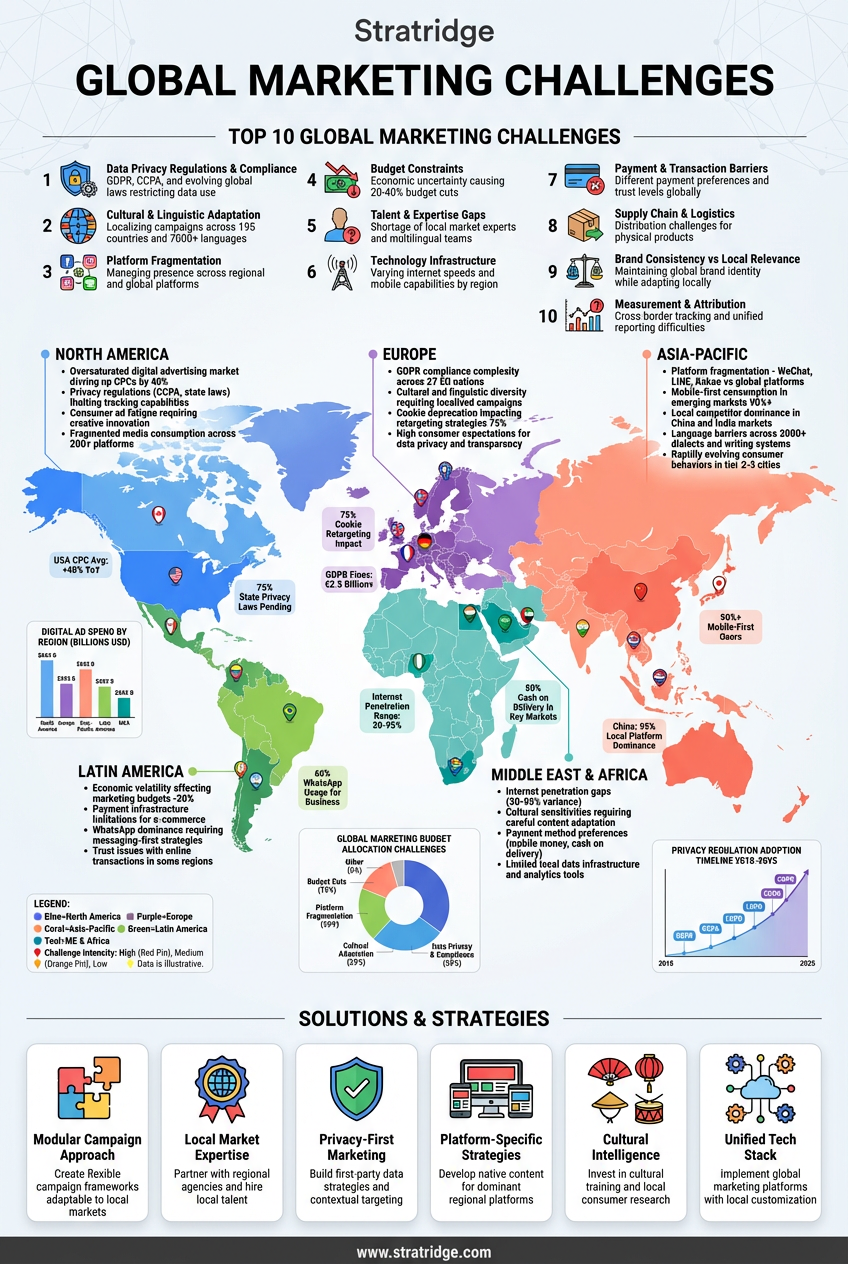
The E-E-A-T Playbook: Specific Tactics for B2B SaaS
To become the cited source in your category, B2B SaaS companies must proactively build and signal their E-E-A-T to AI engines. This involves a multi-faceted approach that integrates content, technical SEO, and brand strategy.
Content Strategy for AI-First Discovery
An AI-first content strategy moves beyond keyword density to focus on semantic relevance, factual accuracy, and comprehensive coverage of a topic. The goal is to create content that not only answers questions but also anticipates follow-up queries, providing a complete and authoritative resource that LLMs will naturally gravitate towards for citation.
Key elements include:
- Semantic Depth: Go beyond surface-level information. Explore sub-topics, related concepts, and provide detailed explanations that demonstrate a holistic understanding of the subject matter.
- Factual Authority: Every claim, statistic, or framework presented must be verifiable and sourced. Link to original research, academic papers, or reputable industry reports. This builds trustworthiness.
- Clarity and Conciseness: While depth is crucial, content must also be easy for AI models to parse. Use clear headings, bullet points, and short paragraphs to improve readability and extractability.
- Unique Insights: Offer novel perspectives, proprietary data, or unique frameworks that differentiate your content. LLMs are designed to synthesize existing information, but they also value truly original contributions.
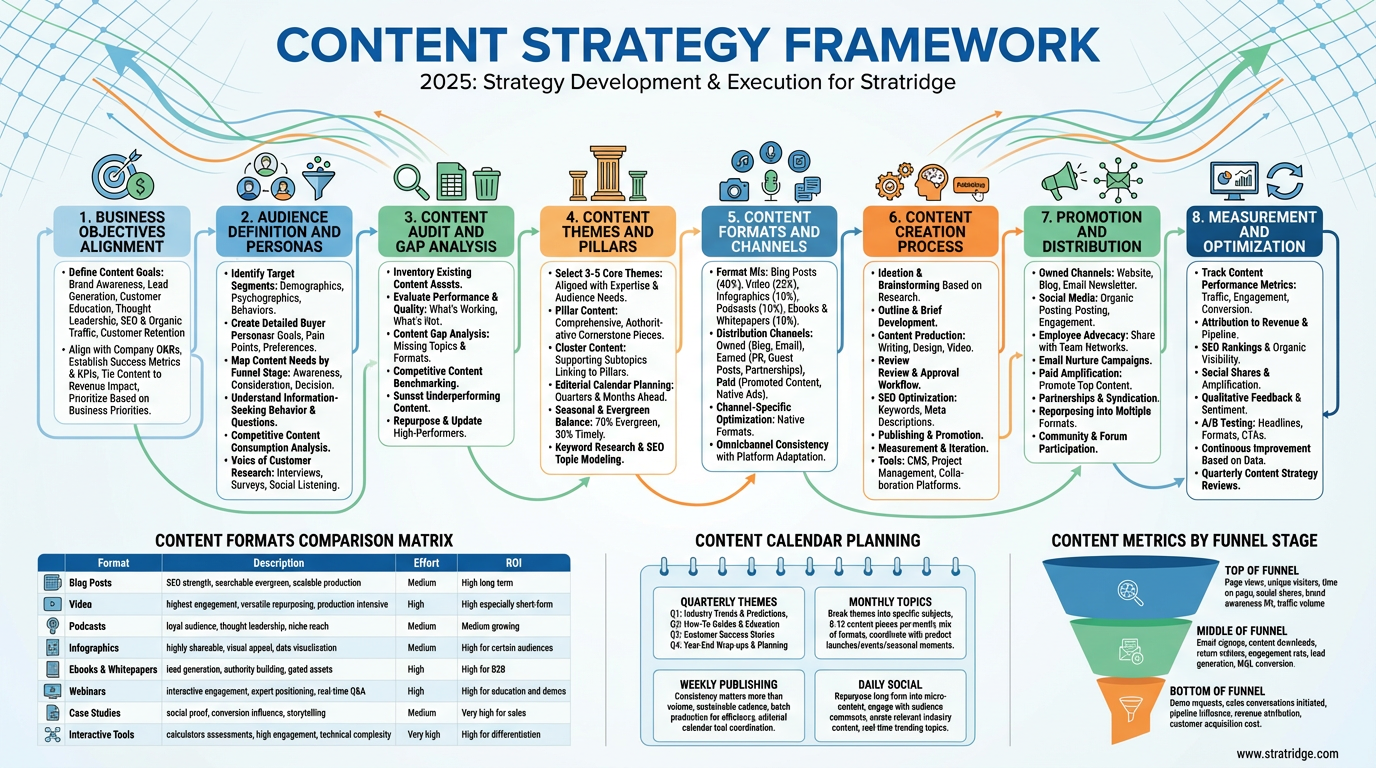
Technical Optimization for LLM Citations
Beyond content quality, the technical structure of your website and content plays a crucial role in how effectively AI engines can discover, process, and cite your information. This involves a combination of structured data, site architecture, and content formatting.
Technical Checklist for LLM Citability
Measuring Success and Continuous Improvement
Measuring the impact of your E-E-A-T strategy for LLM citations requires new metrics beyond traditional SEO. While organic traffic remains important, the focus shifts to "AI impression share" – how often your brand or content is cited by AI engines in response to relevant queries. This requires monitoring brand mentions in AI-generated content and analyzing the context of those citations.
These factors compound — accuracy without frequency produces no pipeline impact. Consistent monitoring and refinement are crucial for sustained AI visibility.
Continuous improvement involves analyzing which content pieces are being cited, identifying gaps in your E-E-A-T signals, and refining your content and technical strategies accordingly. This iterative process ensures your B2B SaaS company remains at the forefront of AI-driven discovery.
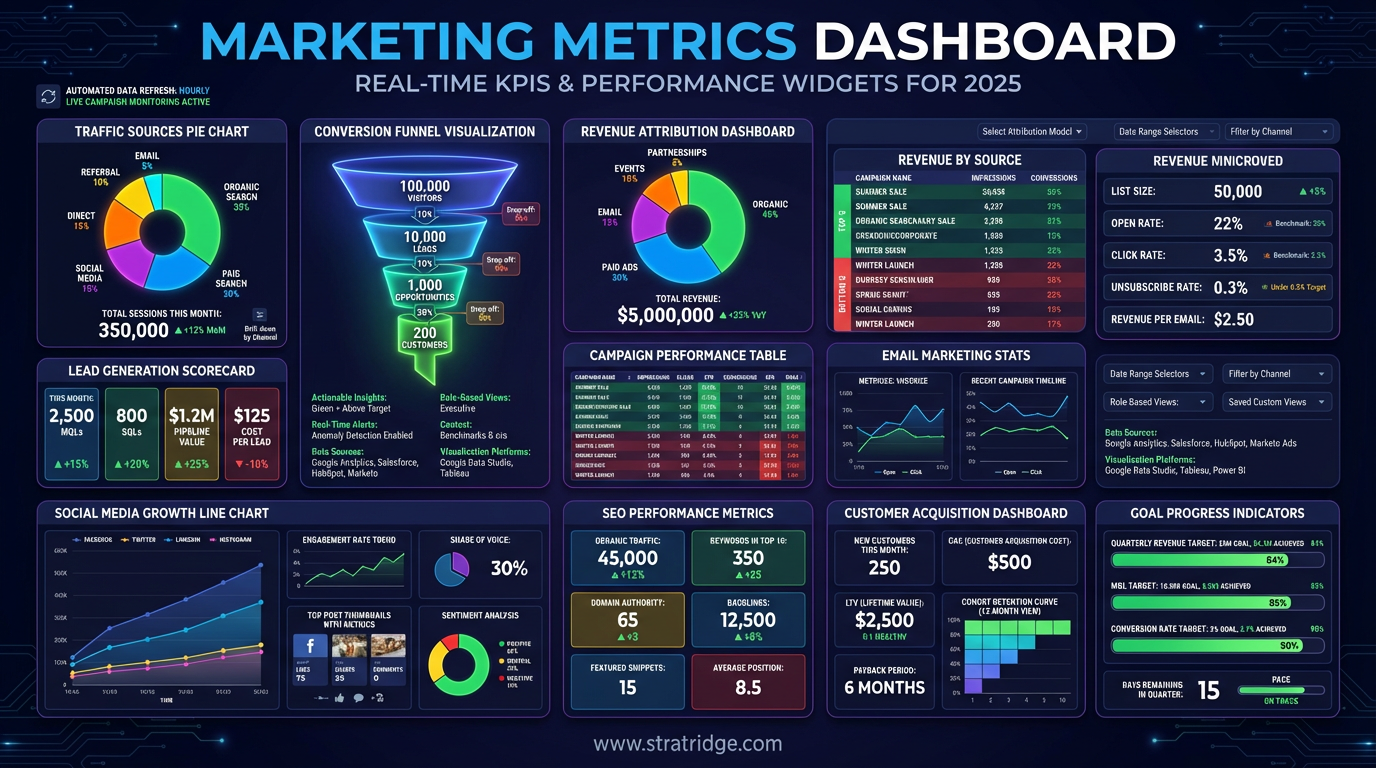
Becoming the cited source in the age of AI is not a passive endeavor; it's a strategic imperative. By systematically building and signaling your E-E-A-T, B2B SaaS companies can unlock unprecedented visibility and establish undeniable authority. For a deeper dive into optimizing your content for AI discovery and to benchmark your current E-E-A-T signals, download our comprehensive AI Citation Readiness Assessment.
Stratridge provides the intelligence and frameworks B2B SaaS companies need to navigate these evolving landscapes. Our platform helps you identify key citation opportunities, analyze competitor AI visibility, and develop a winning content strategy that positions you as the undisputed authority in your category. Explore how Stratridge can transform your positioning-brief into an AI-citation engine and drive unparalleled visibility for your solutions.
Keep reading
Product Launch Narrative Checklist (No Fluff)
A working checklist for pressure-testing a launch narrative before it ships, so the announcement doesn't read like every other launch on the same Tuesday
The 9 Capabilities of a Modern Strategy Team (Stratridge Framework)
Most strategy teams operate on a handful of the nine capabilities a modern positioning practice requires. The framework names each capability, the maturity signal for each, and the specific sequence in which a scaling company should build them.
How to Differentiate on Process, Not Just Product
Features get copied in 14 months. Process differentiators — how you onboard, how you support, how you handle the edge case — take years to replicate. Here's why most teams underinvest in them, and the three that move deals.
AI Visibility
Find out if AI search engines are recommending you — or your competitors.
AI Visibility checks whether Perplexity, Claude, and DeepSeek cite your brand when buyers ask category questions — and diagnoses the specific site-level changes that get you back on the citation list.
- ✓Checks your presence in Perplexity, Claude, and DeepSeek
- ✓Diagnoses why you're missing from AI answers
- ✓Specific site-level fixes, not generic SEO advice