Neuromarketing Insights
What neuroscience research actually tells B2B marketers — versus the pop-neuroscience claims that don't replicate.
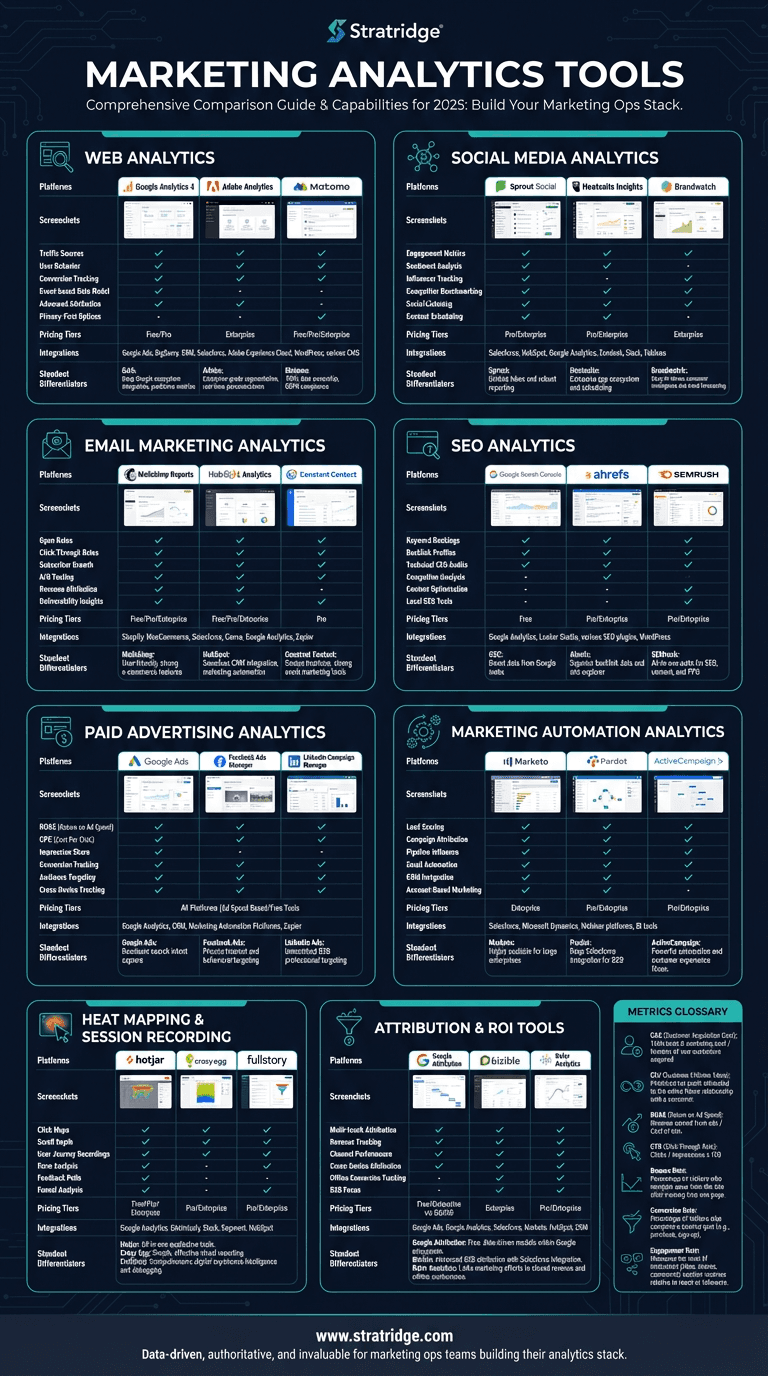
What this infographic is actually arguing.
Neuromarketing sits in an awkward zone between legitimate cognitive research and pop-science marketing content. The well-replicated findings are real and applicable. The viral "the brain wants..." claims on LinkedIn are usually overstatements of small effects, cherry-picked from studies that don't replicate, or straight fabrications. This infographic covers the findings that hold up and the claims that don't.
The findings that replicate. First: decision fatigue. Buyers making more decisions earlier in a process make worse decisions later. Implications: don't front-load forms with optional fields, don't ask the buyer to pick from eight plan tiers, don't require a path-selection in the first five seconds. Simplify the top of the funnel even at the cost of later segmentation quality.
Second: loss aversion is roughly twice as strong as gain framing. "Here's what you're losing" outperforms "Here's what you'd gain" in most B2B contexts because change has costs that need to be overcome. This replicates across domains and sample populations.
Third: specificity in numbers. "47% reduction" is more credible than "about half" even though the latter is more modest. Rounded numbers read as estimates; specific numbers read as measurements. Implication: in case studies and outcome claims, use the precise number, not the rounded one.
Fourth: social proof strength scales with similarity to the reader, not volume. A testimonial from a buyer who matches the reader's exact role and industry is more persuasive than a testimonial from a better-known buyer in a different segment. Implication: curate social proof by segment, not by logo prestige.
The claims that don't hold up. "The brain processes images 60,000 times faster than text" — that number has no source in the cognitive literature and is cited by people citing people. Images are processed quickly; the specific number is fiction. "The brain makes decisions in 0.3 seconds" — the underlying research is on recognition, not decisions, and the generalization is overstated. "Color X increases conversions Y%" — meta-analyses find the effect of color alone is much smaller than claimed, swamped by design and context.
The working posture: use the replicated findings as design heuristics, not as scientific justifications. Don't cite shaky neuroscience claims in strategy docs — they read as trying too hard and undermine the credibility of the good work.
This infographic is free. The audit is too.
Paste your URL and Stratridge returns an audit graded against the six dimensions and twenty-four factors — so you see where the story on your site lines up with the story this infographic describes, and where it doesn't.