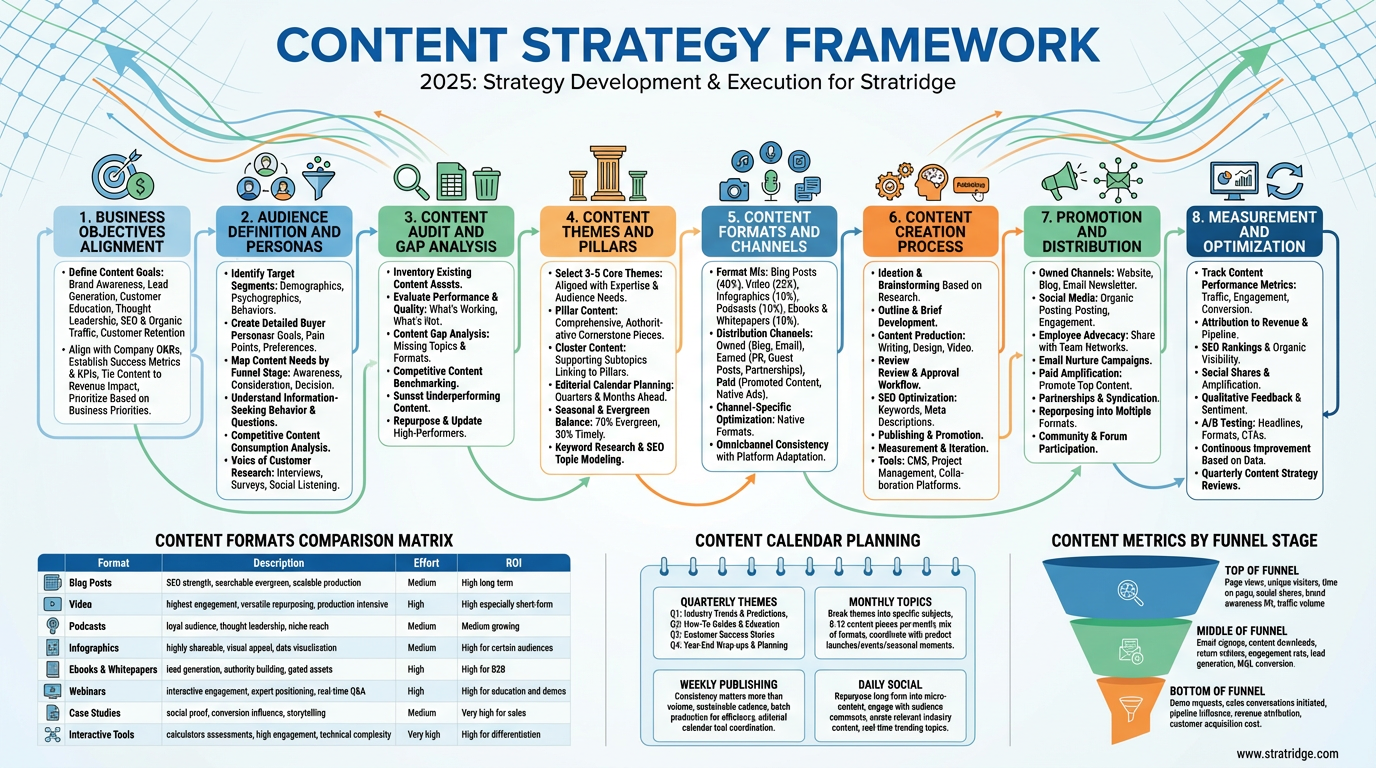
In the evolving landscape of B2B SaaS marketing, the challenge isn't just to rank on search engines, but to be recognized as an authoritative source by the very intelligence systems that are redefining information discovery. Your meticulously crafted research, data, and insights risk becoming invisible if they aren't structured in a way that Large Language Models (LLMs) can readily identify, interpret, and, crucially, cite. This isn't about gaming an algorithm; it's about optimizing for clarity, density, and semantic precision to ensure your content contributes to the collective intelligence LLMs draw upon, ultimately positioning your brand as an indispensable reference.
The Citation Imperative: Why LLMs Matter More Than Ever
The shift from keyword-driven search to AI-synthesized answers fundamentally alters the value proposition of content. For B2B SaaS, this means that direct traffic from traditional search is increasingly mediated by LLMs. Your content's ability to be cited by these models translates directly into brand authority, thought leadership, and ultimately, pipeline. It's no longer sufficient to merely appear in search results; the goal is to become the definitive answer.
This paradigm demands a strategic re-evaluation of content creation. It moves beyond traditional SEO tactics to embrace a deeper understanding of how LLMs process and validate information. The focus shifts from individual keywords to comprehensive topic authority, from superficial engagement metrics to demonstrable factual accuracy and unique insights. Brands that master this will secure a durable competitive advantage.
Structuring for Synthesis: The Core Principles
LLMs thrive on structured, unambiguous data. To optimize content for citation, consider these foundational principles that guide how AI engines ingest and interpret information:
1. Semantic Clarity and Precision
Every sentence, paragraph, and section should convey a singular, clear idea. Avoid jargon where simpler terms suffice, and define complex concepts explicitly. LLMs parse meaning, and ambiguity reduces the likelihood of accurate interpretation and citation. This extends to the use of strong topic sentences and clear transitions between ideas.
2. Data Density and Verifiability
For B2B SaaS, data is king. Present quantitative and qualitative data points clearly, attributing sources rigorously. LLMs are trained to identify and prioritize verifiable information. Integrate statistics, research findings, and case study results directly into your narrative, rather than relegating them to appendices or external links. The more self-contained and verifiable your data, the higher its citation potential.
3. Hierarchical Organization and Logical Flow
LLMs benefit from content that mirrors a well-structured academic paper. Use clear headings (H1, H2, H3) to delineate sections and sub-sections. Employ bullet points, numbered lists, and tables to break down complex information into digestible chunks. This not only improves readability for human audiences but also provides explicit structural cues for AI models to follow.
The future of content isn't just about being found; it's about being trusted and integrated into the fabric of AI-driven knowledge.
Tactical Frameworks for LLM-Ready Content
Translating these principles into practice requires specific tactical adjustments to your content workflow. Consider these frameworks for optimizing your articles, research, and proof points.
1. The "Answer-First" Article Structure
Traditional articles often build to a conclusion. For LLMs, an "answer-first" approach is more effective. Begin with a concise summary or direct answer to the core question your content addresses. Subsequent sections then provide the supporting evidence, methodology, and deeper context. This allows LLMs to quickly extract the most salient information.
2. Semantic Markup and Entity Recognition
While explicit schema markup is valuable, consider "semantic markup" within your prose. This involves consistently using key terms, proper nouns (company names, product names, industry frameworks), and acronyms. LLMs build knowledge graphs, and consistent entity recognition helps them connect your content to broader concepts. For example, always refer to "Product Marketing Manager" or "PMM" consistently throughout.
3. The "Proof Point Pyramid" for Research
When presenting research or case studies, adopt a "Proof Point Pyramid" structure. Begin with the overarching insight or conclusion, followed by the key data points that support it, and then the detailed methodology or context. This ensures that the most critical information is immediately accessible and citable.
Measuring LLM Citation and Impact
Optimizing for LLM citation is a continuous process. While direct metrics are still emerging, B2B SaaS marketers can infer impact through several proxies:
Proxies for LLM Citation Impact
The goal is to become an indispensable node in the LLM's knowledge graph.
Ultimately, the ability to write content that LLMs want to cite is a strategic imperative for B2B SaaS companies. It's about engineering your insights for maximum discoverability and authority in an AI-first world. By focusing on semantic clarity, data density, hierarchical organization, and an answer-first approach, you can transform your content into a powerful asset that fuels your brand's visibility and influence.
This approach aligns directly with Stratridge's mission to provide unparalleled positioning and go-to-market intelligence. Our platform offers the diagnostics and frameworks necessary to ensure your messaging is not only consistent but also optimized for the evolving demands of AI-driven information consumption. Understand the seven signs your messaging is drifting and how to maintain a cohesive narrative that LLMs can reliably interpret and cite. Furthermore, a robust product launch narrative checklist can ensure your new offerings are positioned for immediate AI recognition.
Keep reading
Message Consistency Across 7 Channels (Website, Email, Sales, Social, PR, Support, Docs)
Seven channels, seven owners, seven slightly different stories — and the four-layer reconciliation protocol that keeps the canonical message from fragmenting across them.
Message Consistency for Email Sequences (The Silent Drift)
Email sequences drift silently because they're optimized screen-by-screen for conversion, not audited holistically against the brief. Here's the specific audit and the four-layer guardrails that keep conversion wins from becoming positioning losses.
7 Signs Your Messaging Is Drifting (And How to Catch It Early)
Messaging drifts the way codebases drift — each local change looks fine; the aggregate contradicts itself. Here are the seven patterns that appear first.
Positioning Audit
Find out exactly where your positioning is losing buyers.
Run an eight-area diagnostic of your site against your own strategic intent. Stratridge reads your pages, compares them to your positioning goals, and surfaces the specific gaps costing you deals — with a prioritized action plan.
- ✓Eight-lens diagnostic in under two minutes
- ✓Evidence pulled directly from your own site
- ✓Prioritized action plan, not a generic checklist