Influencer Marketing ROI 2025
What actually works in B2B influencer marketing — and the follower-count trap that wastes most of the budget.
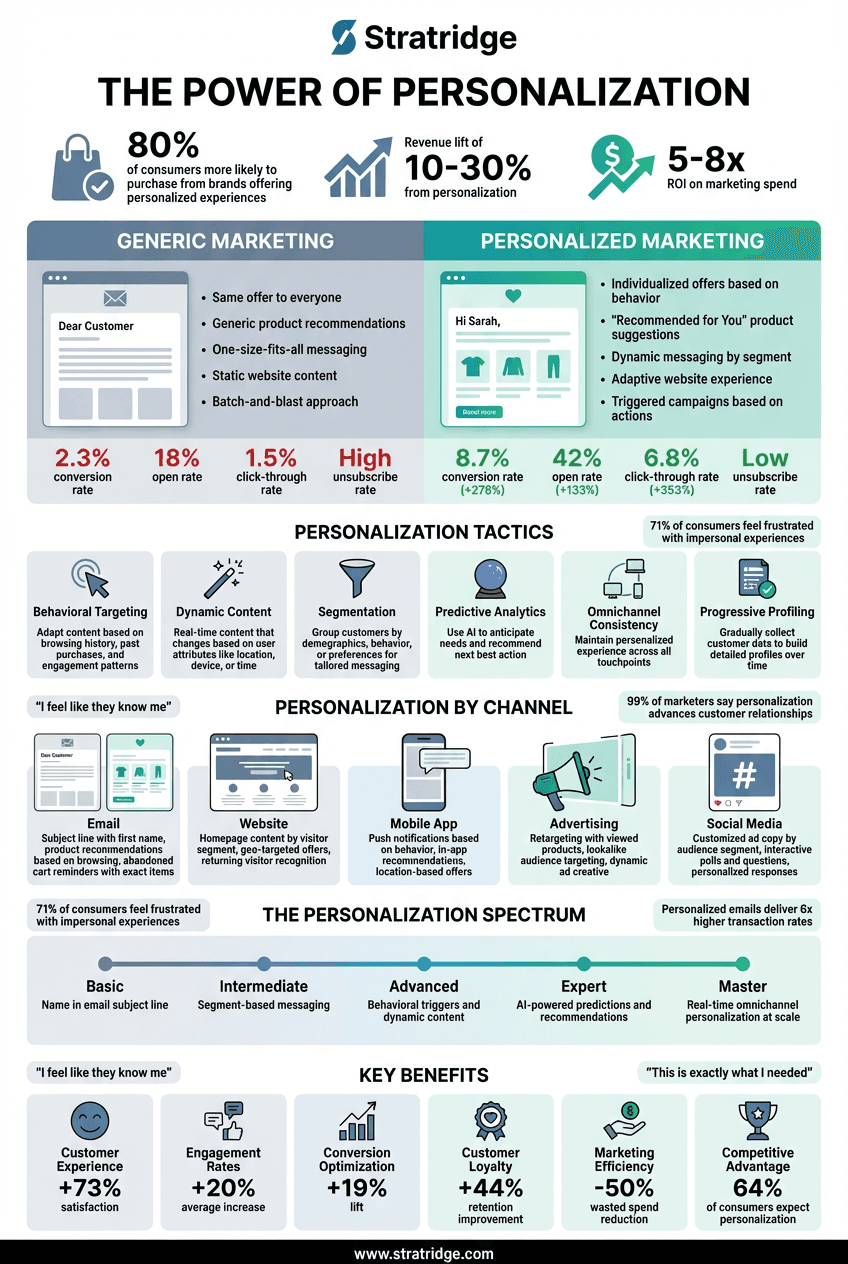
What this infographic is actually arguing.
Influencer marketing's reputation is built on B2C case studies — beauty, fashion, fitness — where the playbook is well-understood and the ROI is clean. B2B influencer marketing is a different discipline that has inherited the wrong vocabulary, and most B2B teams running influencer programs are doing the B2C version with B2B audiences, which is why the ROI looks disappointing.
This infographic covers the 2025 state of B2B influencer marketing. The single biggest mistake: selecting by follower count. In B2C, raw reach is a decent proxy for impact. In B2B, credibility-with-a-specific-audience is what matters, and credibility doesn't track follower count. A mid-tier LinkedIn voice with 15K followers who are all CFOs at mid-market SaaS companies is worth more to a company selling to CFOs than a 200K-follower generalist thought leader whose audience is 40% other marketers and 60% recruiters.
The ROI pattern that actually works in B2B: commission a real creator — an operator, not a content professional — to publish something substantial under their own name. A deep-dive post, a podcast conversation, a teardown of a real artifact. Not a branded native ad. The creator's credibility is the asset; asking them to turn it into a commercial undermines it. The commercial work happens separately, in the attribution and follow-up.
The formats that compound: long-form posts, podcast appearances (as a guest or co-host), webinar partnerships, and research co-authorship. The formats that don't: sponsored one-off posts, "take over our Instagram for a day," and any format that labels the partnership as advertising more visibly than content.
Measurement is hard and people over-complicate it. The right KPIs in order: direct pipeline attributed to the campaign (when trackable), branded search lift during and after, and site traffic from the creator's audience by referrer. First-order metrics (post reach, engagement rate) are diagnostic, not outcome.
The category is also bifurcating. At the top, authentic operator-creators charging premium rates for substantive work. At the bottom, creator marketplaces connecting brands with micro-influencers at volume. The middle — polished content professionals with large followings and no operator credibility — is the category most likely to underperform.
Digital Channels
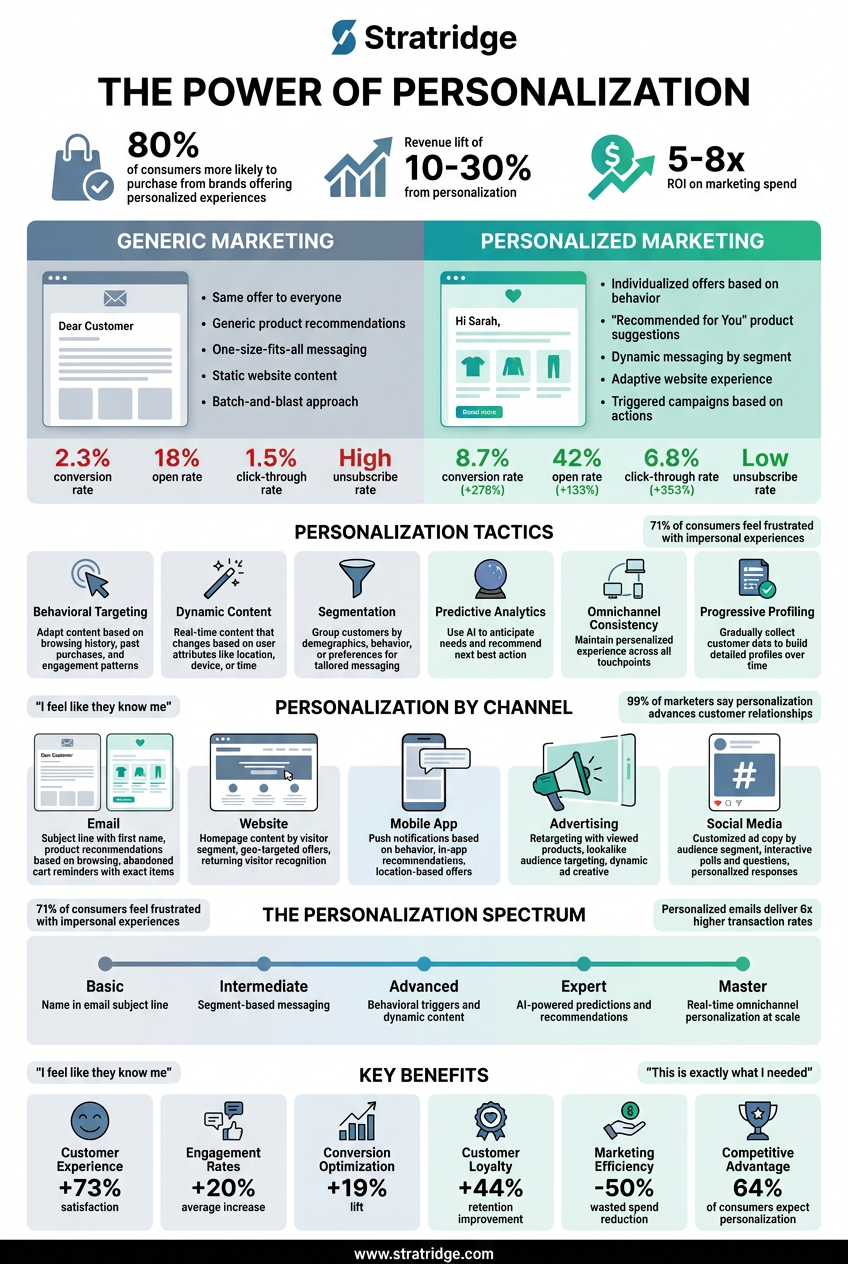
This infographic is free. The audit is too.
Paste your URL and Stratridge returns an audit graded against the six dimensions and twenty-four factors — so you see where the story on your site lines up with the story this infographic describes, and where it doesn't.